
Hearts of Palm Pasta
Table of Contents
Can Hearts of Palm Pasta Really Replace Spaghetti?
One cup of cooked spaghetti has roughly 40 grams of carbs, according to USDA FoodData Central. Could noodles made from a vegetable cut that to a few grams without ruining dinner? Yes. Hearts of palm pasta is made from the tender inner core of palm trees, sliced into thin strands that look like linguine. It is naturally gluten-free, very low in calories, and ready in minutes. Many people assume low-carb noodles taste like cardboard or turn mushy. This recipe shows how to get a creamy, satisfying bowl with a few simple tricks.
Ingredients for Hearts of Palm Pasta Recipe
Here is what you need for 4 servings:
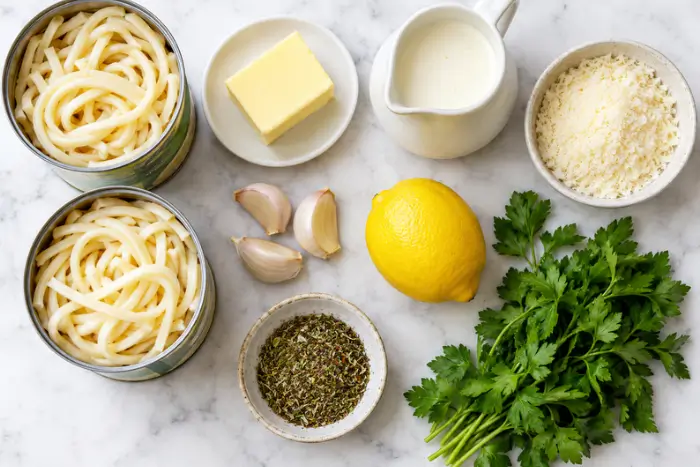
- 2 cans (14 oz each) hearts of palm pasta, drained
- 2 tablespoons butter, for a rich, nutty base
- 4 garlic cloves, minced, for a sharp aroma
- 1 cup heavy cream, for a silky sauce
- ¾ cup grated Parmesan, freshly grated if possible
- 1 teaspoon Italian seasoning
- 1 tablespoon lemon juice, for a bright finish
- Salt and black pepper, to taste
- Fresh parsley, chopped, for color
- Optional: 1 lb cooked shrimp or sliced grilled chicken
Substitutions:
- Use coconut cream for dairy-free.
- Use nutritional yeast instead of Parmesan.
- Use ghee or olive oil instead of butter.
Timing
- Prep time: 5 minutes
- Cook time: 15 minutes
- Total time: 20 minutes
This hearts of palm pasta recipe comes together in about 20 minutes, which is roughly a third faster than the typical 30-minute weeknight pasta dinner. You also skip boiling a big pot of water.
Step-by-Step Instructions
Step 1: Rinse and Prep the Hearts of Palm Pasta
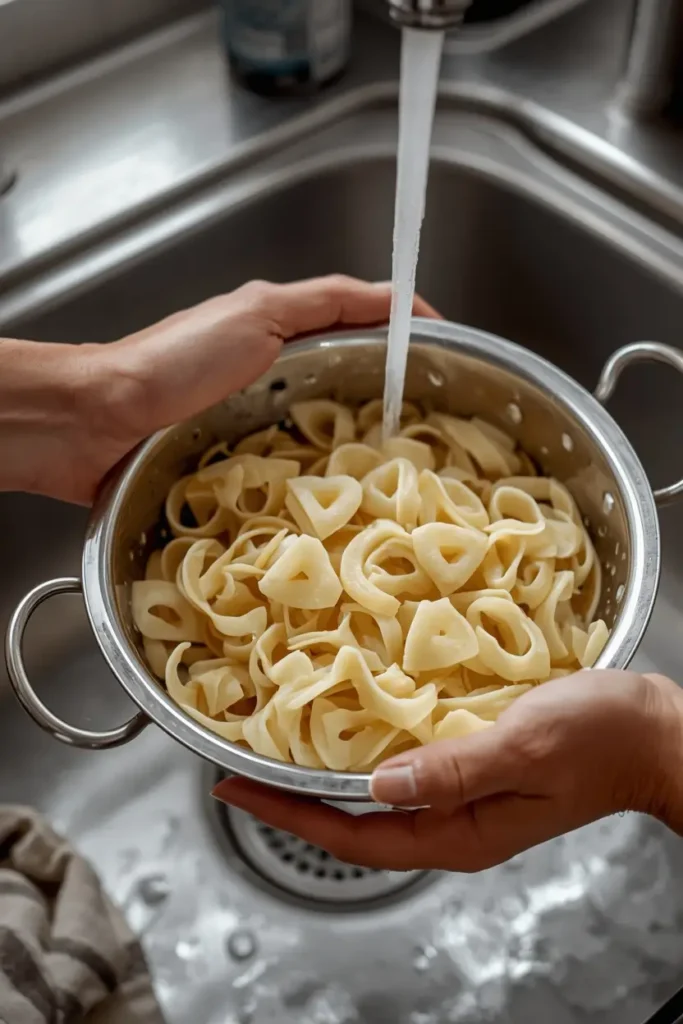
Open the cans and drain the liquid. Rinse the noodles under cold running water for a full minute. The packing liquid is slightly sour, and rinsing removes that tang. Pat the noodles dry with a towel. Dry noodles soak up sauce better.
Step 2: Build the Garlic Cream Sauce
Melt the butter in a large skillet over medium heat. Add the garlic and cook for 30 seconds, until fragrant but not browned. Pour in the cream, add the Italian seasoning, and let it simmer gently for 3 to 4 minutes until it thickens slightly.
Step 3: Add Cheese and Noodles
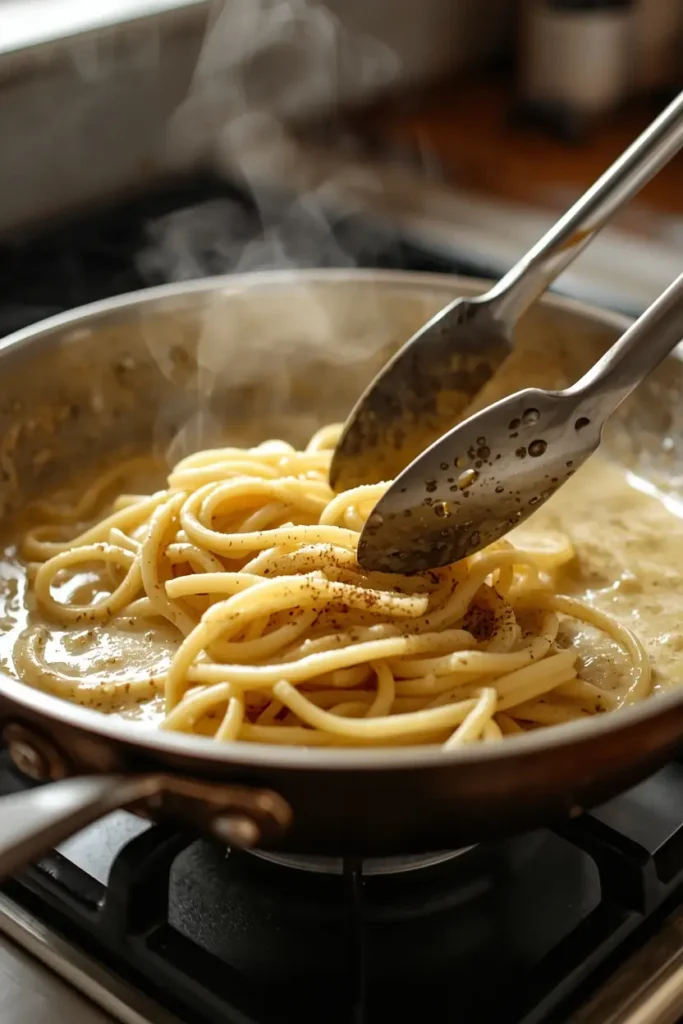
Stir in the Parmesan until the sauce is smooth. Add the drained hearts of palm pasta and toss to coat. Simmer for 3 to 5 minutes. A short simmer softens the noodles and lets them absorb flavor. Cooking longer makes them watery.
Step 4: Season and Finish
Add the lemon juice, salt, and pepper. Taste and adjust. If you are adding shrimp or chicken, fold it in now and warm it through for one minute.
Step 5: Plate and Garnish
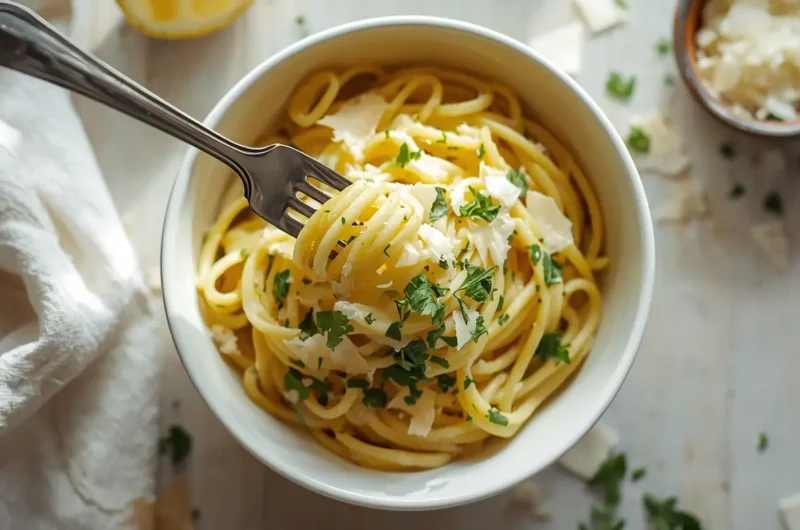
Divide into warm bowls and top with parsley and extra Parmesan. Serve right away while the sauce is silky.
Nutritional Information
Values are approximate per serving (about 1 cup), based on this recipe without added protein. Brands vary, so check your noodle label.
- Calories: 290
- Total carbs: 8 g
- Fiber: 2 g
- Net carbs: 6 g
- Protein: 9 g
- Fat: 26 g
Compared with regular pasta at around 40 g of carbs per cup, one serving of this hearts of palm pasta cuts carbs by more than 80%. That makes it a strong fit for keto and low-carb plans. If you want to understand why fiber is subtracted when counting net carbs, the Mayo Clinic’s guide to dietary fiber explains it well.
Healthier Alternatives for the Recipe
- Lighter sauce: Swap half the cream for unsweetened almond milk, or use a tomato-basil sauce for fewer calories.
- More protein: Add grilled chicken, shrimp, or crumbled Italian sausage.
- More veggies: Stir in spinach, zucchini ribbons, or sun-dried tomatoes.
- Another noodle swap: Not in the mood for palm noodles? Try our spaghetti squash alfredo for a similar creamy, low-carb dinner.
- Dairy-free: Use coconut cream and nutritional yeast.
- Lower sodium: Choose low-sodium noodles and season with lemon and herbs instead of extra salt.
Serving Suggestions
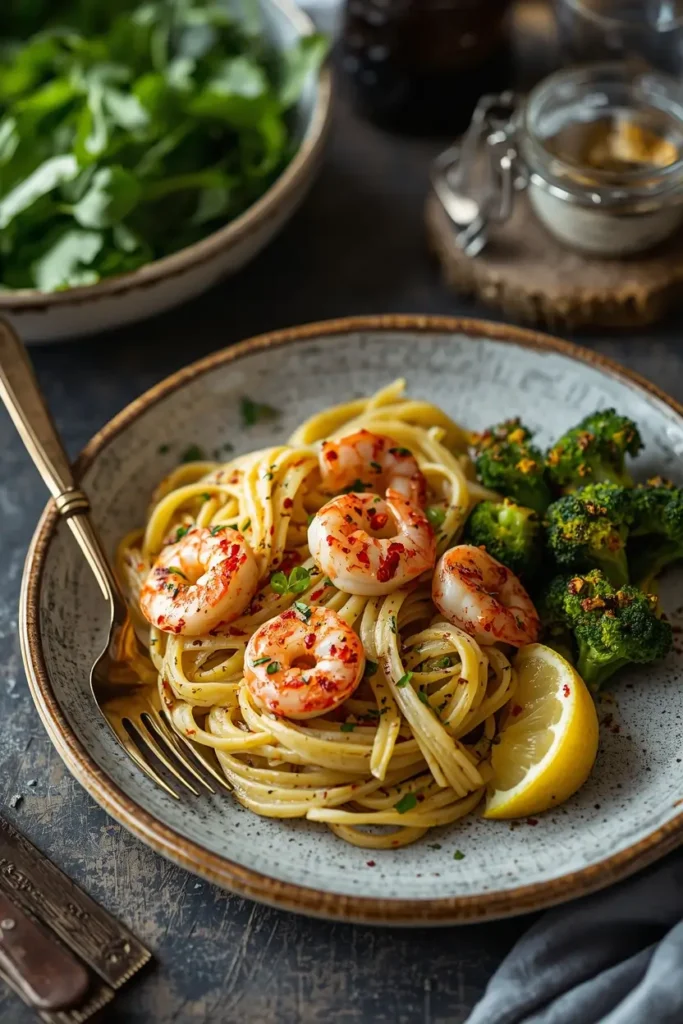
Pair your bowl with a crisp arugula salad and a drizzle of olive oil. For a restaurant feel, add garlic butter shrimp on top and a pinch of red pepper flakes. For a special dinner, serve it alongside our keto crab cakes. Roasted broccoli or asparagus works as a side, and a small scoop of cauliflower mac and cheese makes the meal extra cozy. Serve with a squeeze of fresh lemon at the table so everyone can brighten their own bowl. This is also a good dish for meal prep, since it reheats well in a skillet.
Common Mistakes to Avoid
- Skipping the rinse. The packing liquid has a tangy taste. Rinse for at least 60 seconds.
- Overcooking. Heart of palm noodles are already tender. Long cooking makes them mushy and releases water that thins the sauce.
- Not drying the noodles. Excess water dilutes the sauce. Pat them dry first.
- Using a thin sauce. Low-carb noodles don’t absorb starch like wheat pasta, so reduce the cream a few minutes first.
- Skipping seasoning. Vegetable noodles are mild. Lemon, garlic, and salt matter. Taste and adjust at the end.
A small tip from experience: if your sauce looks thin, simmer it a minute longer before adding the noodles, never after.
Storing Tips for the Recipe
- Refrigerator: Store leftovers in an airtight container for up to 3 days.
- Reheating: Warm gently in a skillet over low heat with a splash of cream or water. Avoid the microwave on high, which can make the noodles rubbery.
- Freezing: Not recommended. The cream sauce can separate, and the noodles turn soft.
- Prep ahead: Rinse and dry the noodles up to 2 days in advance and keep them in the fridge. The sauce base can be made a day ahead.
- Unopened cans: They keep in the pantry for a long time. Check the date on the can.
Conclusion
This hearts of palm pasta recipe delivers creamy, garlicky comfort in about 20 minutes with only a few net carbs per bowl. Rinse the noodles well, simmer them briefly, and serve hot. Try it tonight, then leave a comment below, and subscribe for more updates. Hungry for more ideas? Browse our full collection of keto dinner recipes.
FAQs
Does hearts of palm pasta taste like regular pasta?
Not exactly. The noodles have a mild, slightly tangy flavor and a softer bite than wheat pasta. Rinsing well and pairing them with a bold sauce makes the difference barely noticeable.
Is hearts of palm pasta keto-friendly?
Yes. It is very low in net carbs, which makes it a popular swap for traditional pasta on keto and low-carb diets. Always check the label of your brand for exact numbers.
Do I need to cook the noodles?
They are ready to eat from the can. Heating them in the sauce just warms them and helps them absorb flavor.
Can I make this recipe dairy-free?
Yes. Use coconut cream, olive oil, and nutritional yeast in place of cream, butter, and Parmesan.
Why is my sauce watery?
Usually, the noodles were not dried or were simmered too long. Pat them dry and keep the simmer to a few minutes.
What protein goes well with this dish?
Shrimp, grilled chicken, and Italian sausage all work well.
Where can I find these noodles?
Most grocery stores carry them near the canned vegetables or pasta aisle. You can also find them online.
Hearts of Palm Pasta
Course: DinnerCuisine: Italian4
servings5
minutes15
minutes20
minutesCreamy garlic Parmesan hearts of palm pasta, an easy low-carb dinner ready in 20 minutes with only 6g net carbs per serving.
Ingredients
2 cans (14 oz each) hearts of palm pasta, drained
2 tablespoons butter
4 garlic cloves, minced
1 cup heavy cream
3/4 cup grated Parmesan
1 teaspoon Italian seasoning
1 tablespoon lemon juice
Salt and black pepper, to taste
Fresh parsley, chopped
Directions
- Rinse and prep:
Drain the hearts of palm pasta, rinse under cold water for one minute, and pat dry. - Build the sauce:
Melt butter over medium heat, cook garlic for 30 seconds, add cream and Italian seasoning, and simmer 3 to 4 minutes. - Add cheese and noodles:
Stir in Parmesan until smooth, add the noodles, and simmer 3 to 5 minutes. - Season and finish:
Add lemon juice, salt, and pepper. Fold in optional shrimp or chicken and warm for one minute. - Plate and garnish:
Divide into warm bowls and top with parsley and extra Parmesan.
Nutrition Facts
1 servings per container
Serving Size1 cup
- Amount Per ServingCalories290
- % Daily Value *
- Total Fat
26g
34%
- Total Carbohydrate
8g
3%
- Dietary Fiber 2g 8%
- Protein 9g 18%
* The % Daily Value tells you how much a nutrient in a serving of food contributes to a daily diet. 2,000 calories a day is used for general nutrition advice.