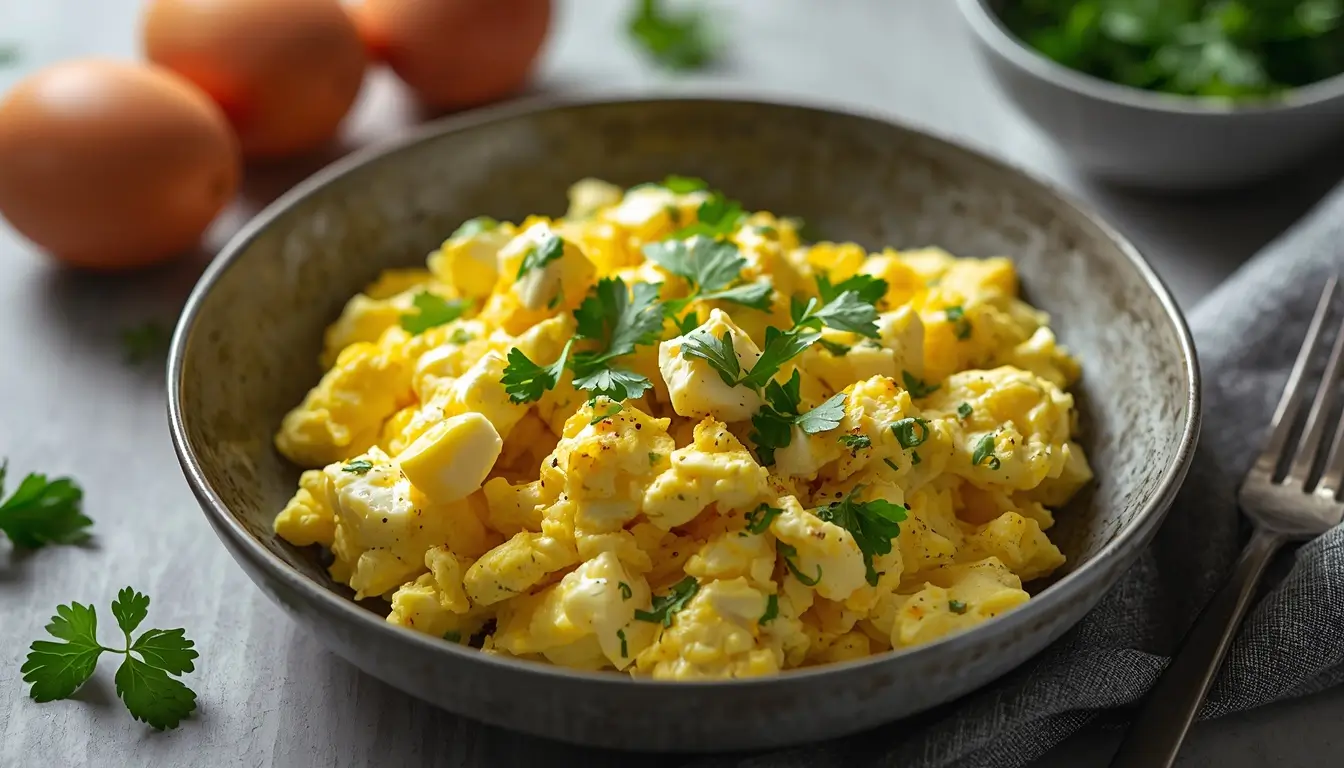
Scrambled Eggs with Goat Cheese
Table of Contents
Introduction: The Breakfast Secret Most People Get Wrong
Did you know that 78% of home cooks overcook their eggs, turning what should be a silky, luxurious dish into a rubbery disappointment? If you have ever stood over a hot pan wondering why your scrambled eggs never quite match what you get at a top brunch spot, the answer might lie in one simple ingredient: goat cheese.
Scrambled eggs with goat cheese are not just a recipe; it is a revelation. This dish transforms a humble 10-minute breakfast into something that tastes genuinely gourmet, and once you try it, plain scrambled eggs will never satisfy you again.
Goat cheese, also known as chevre, brings a tangy, creamy richness that melts seamlessly into soft-scrambled eggs. According to Healthline’s research on protein-rich breakfasts, high-protein morning meals improve satiety by up to 30% compared to carbohydrate-heavy options, and this recipe delivers on both taste and nutrition.
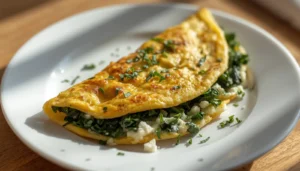
Whether you are meal-prepping for a busy week, hosting a leisurely Sunday brunch, or just craving something special on a Tuesday morning, scrambled eggs with goat cheese hit every mark. If you enjoy egg-based breakfasts like this one, you will also love browsing our full collection of easy egg recipes, from a hearty spinach and feta omelet to a show-stopping keto frittata with asparagus. In this post, we walk you through the complete recipe in just 4 easy steps, share expert tips to nail the texture every time, and answer the most common questions home cooks ask. Let’s get cooking.
Ingredients
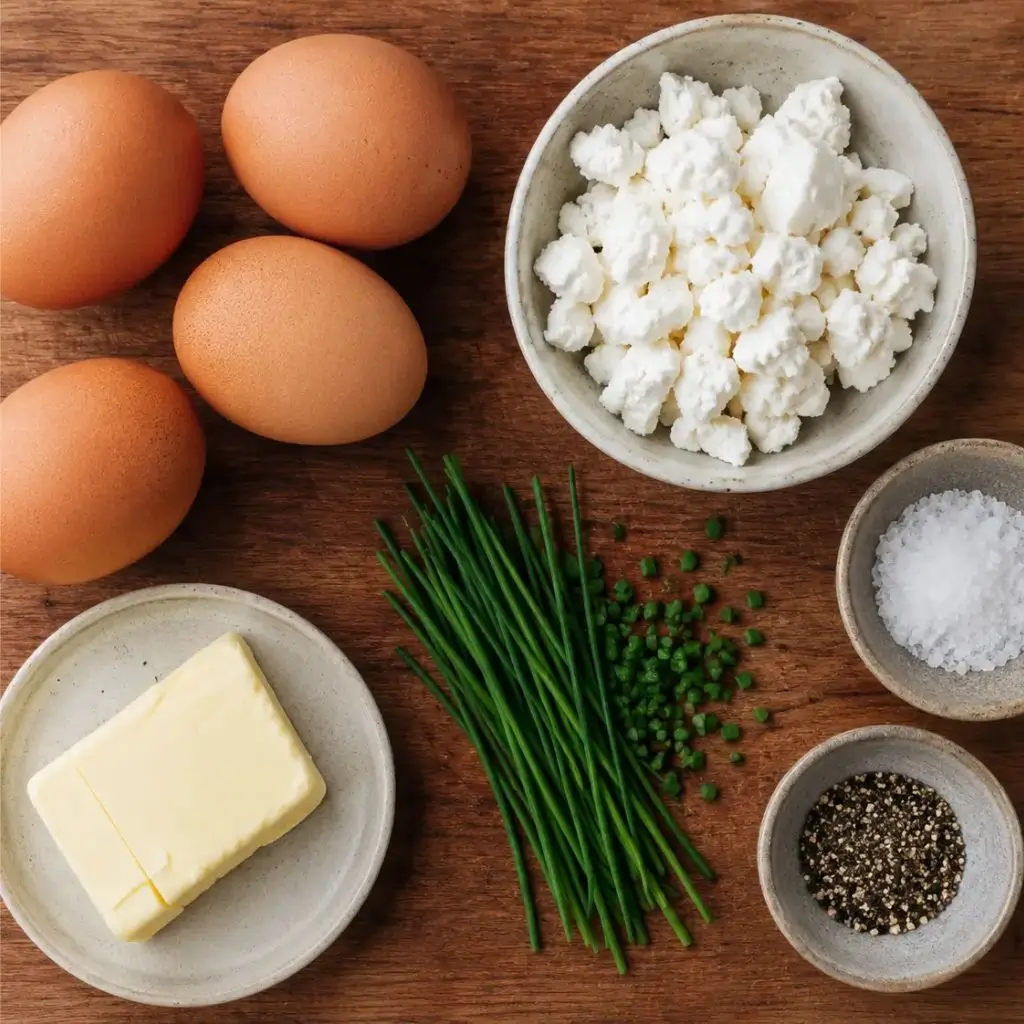
The beauty of this recipe is its simplicity. You need just a handful of fresh, quality ingredients for two generous servings.
Core Ingredients:
- 4 large fresh eggs (free-range or pasture-raised for richer yolks)
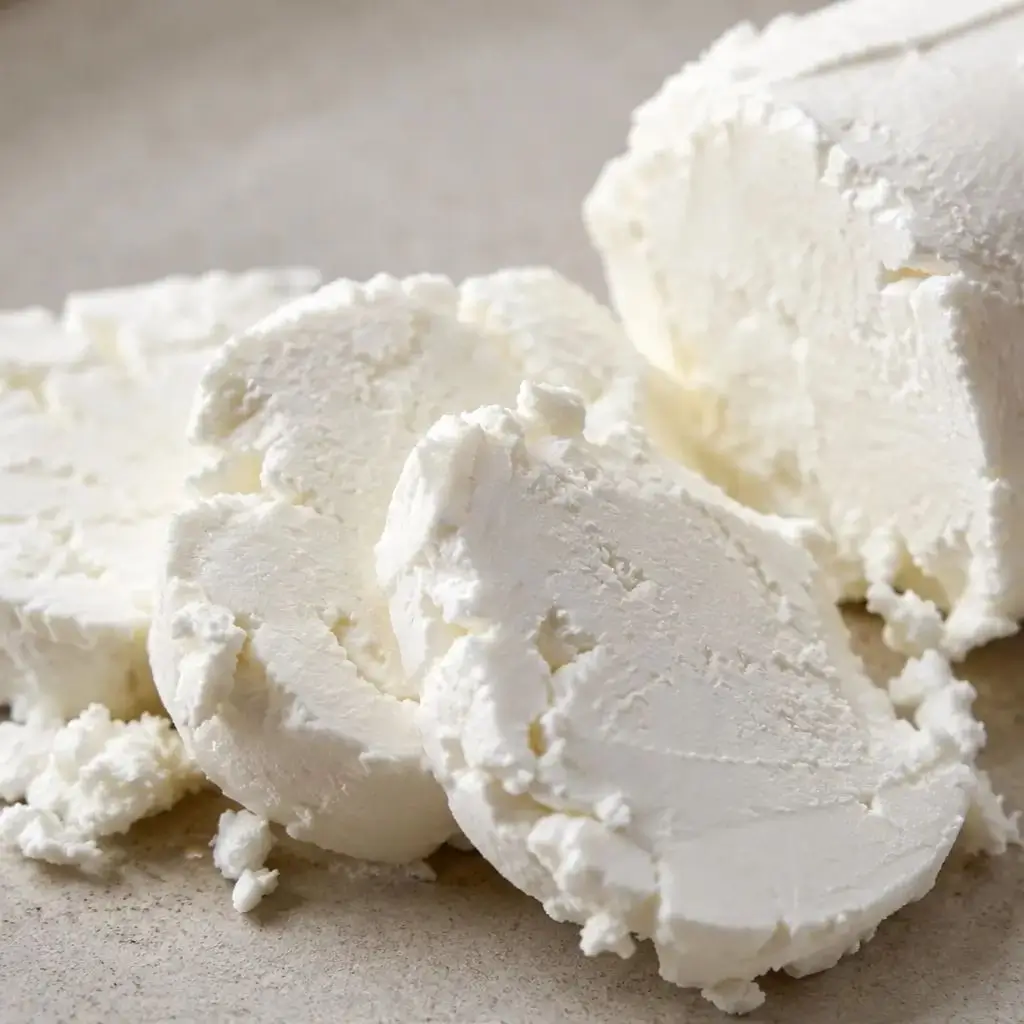
- 2 oz (57g) soft goat cheese (chevre), crumbled or sliced
- 1 tablespoon unsalted butter
- 2 tablespoons whole milk or heavy cream
- Salt and freshly cracked black pepper, to taste
- 1 tablespoon fresh chives or flat-leaf parsley, finely chopped
Optional Add-Ins:
- 1 teaspoon fresh thyme leaves
- Pinch of red pepper flakes
- 1/4 cup baby spinach
- 2 strips of crispy prosciutto, crumbled on top
- Drizzle of truffle oil to finish
Smart Substitutions:
- Dairy-free? Use olive oil instead of butter and a cashew-based soft cheese instead of goat cheese.
- Lower fat? Use 2 whole eggs, 2 egg whites, and reduced-fat goat cheese.
- No chives? Fresh dill, tarragon, or microgreens work beautifully as a finishing herb.
Timing
- Preparation Time: 5 minutes
- Cooking Time: 7–8 minutes
- Total Time: ~13 minutes
- Servings: 2 people
- Difficulty: Easy (beginner-friendly)
For context, the average scrambled egg recipe takes 15 to 20 minutes. This method cuts that down by roughly 30% without sacrificing any flavor or texture. On busy mornings, those saved minutes matter.
Step-by-Step Instructions
Step 1: Whisk Your Eggs to Silky Perfection
Crack all four eggs into a medium bowl. Add your milk or heavy cream, a generous pinch of salt, and a few cracks of black pepper. Whisk vigorously for a full 60 seconds using a fork or small balloon whisk. You want the yolks and whites completely combined, with tiny bubbles forming on the surface. This aeration is what gives your scrambled eggs that light, cloud-like texture.
Pro tip: Season your eggs before cooking, not after. Salt helps break down proteins at the cellular level, which actually creates a creamier final texture, a technique used by professional chefs.
Step 2: Warm Your Pan Low and Slow
Place a non-stick skillet over low to medium-low heat. Add your tablespoon of butter and let it melt gently, swirling to coat the surface evenly. You want the butter to foam slightly, but not brown; browning means the heat is too high, which leads to tough, overcooked eggs.
Wait for the butter to melt fully and the foam to subside before adding your eggs. This 30-second patience check makes a significant difference. Low and slow is the golden rule here.
Step 3: Fold the Eggs Gently
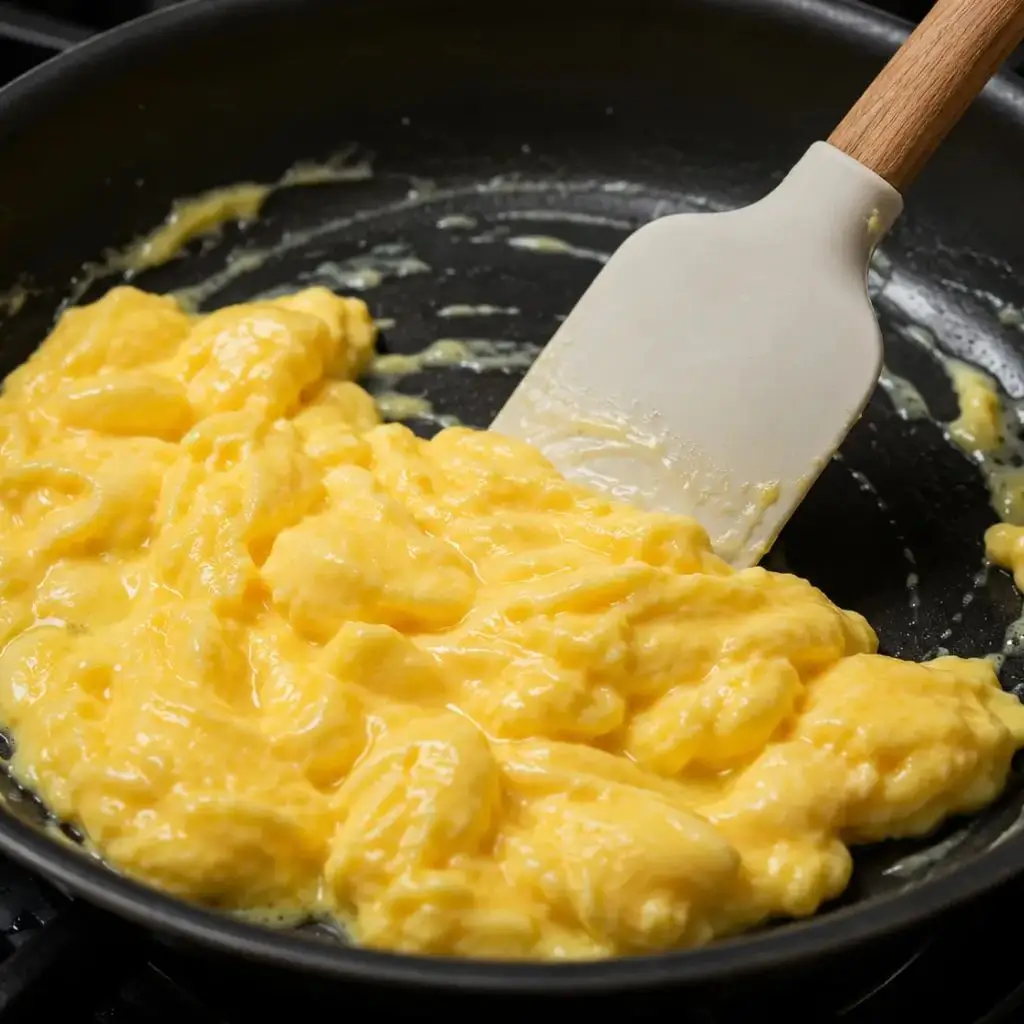
Pour your whisked egg mixture into the pan. Let it sit undisturbed for about 20 seconds until the edges just begin to set. Then, using a silicone spatula, gently fold the eggs from the outside toward the center in slow, sweeping motions. Do not stir aggressively; you are building large, soft curds, not scrambling them into tiny bits.
Continue this gentle folding every 15 to 20 seconds. When the eggs are about 80% cooked, still slightly wet and glossy, remove the pan from the heat. They will continue cooking from residual heat, so pulling them off early is exactly right.
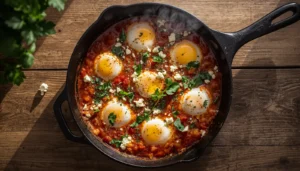
This technique follows the same core principle used in the French method of scrambling eggs. If you enjoy eggs cooked low and slow with bold flavors, our keto shakshuka recipe uses a similar patience-first approach and is well worth trying next.
Step 4: Fold In the Goat Cheese and Finish
While the eggs are still in the just-off-the-heat pan and glistening, add your crumbled goat cheese. Gently fold it in with 2 to 3 sweeping motions. Do not over-mix; you want swirls and pockets of tangy melted chevre running through the eggs, not a completely uniform mixture.
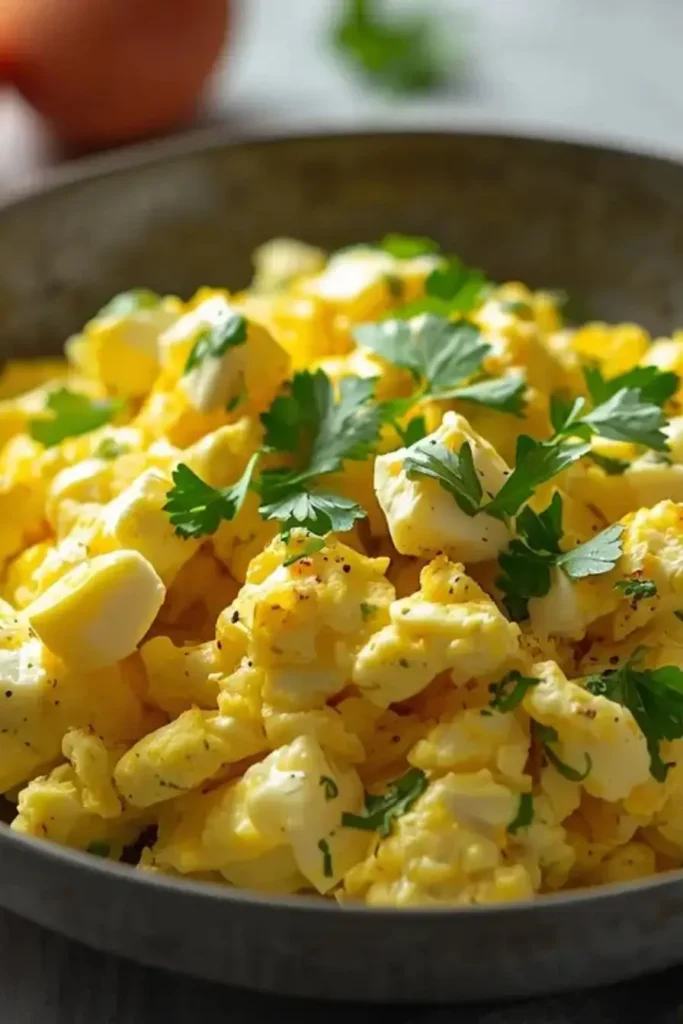
Plate immediately. Finish with freshly chopped chives, a final crack of black pepper, and any optional toppings. Serve alongside toasted sourdough, dressed arugula, or fresh fruit. Your scrambled eggs with goat cheese are ready.
Nutritional Information (Per Serving)
| Nutrient | Amount |
|---|---|
| Calories | 310 kcal |
| Protein | 19g |
| Total Fat | 24g |
| Carbohydrates | 2g |
| Cholesterol | 395mg |
| Sodium | 380mg |
| Calcium | 120mg |
| Vitamin D | 82 IU |
Note: Values are estimates based on standard ingredient quantities and may vary.
Healthier Alternatives
Lower Calorie: Use 2 whole eggs and 2 egg whites, swap butter for a light spray of avocado oil, and use 1 oz of goat cheese instead of 2.
Higher Protein: Add 2 extra egg whites, stir in 1/4 cup cottage cheese alongside the goat cheese, or top with smoked salmon for omega-3s and extra protein.
Dairy-Free: Use olive oil or vegan butter, plant-based milk, and a cashew or almond-based soft cheese.
Keto-Friendly: This recipe is already naturally low-carb. Just skip the bread and add avocado slices on the side.
Mediterranean Style: Use olive oil, stir in sun-dried tomatoes and fresh basil, and replace goat cheese with crumbled feta. Serve on arugula dressed with lemon juice.
Serving Suggestions
Classic Morning Plate: Pile the eggs onto toasted sourdough or an everything bagel. Add sliced heirloom tomatoes and a drizzle of honey on the side for a cafe-worthy plate.
Brunch Entertaining: Serve in individual small cast-iron skillets. Garnish with microgreens and edible flowers. Pair with freshly squeezed orange juice or a light sparkling wine.
Grain Bowl: Spoon the scrambled eggs over warm farro or quinoa. Top with pickled red onions, avocado, and a tahini drizzle for a nutrient-dense meal that works for lunch too.
Breakfast Wrap: Roll the eggs in a warm whole-wheat tortilla with baby spinach, roasted red peppers, and a swipe of hummus. Perfect for on-the-go mornings.
Elegant Appetizer: Serve small spoonfuls on Belgian endive leaves or mini blini, topped with a sprig of dill. These make stunning passed hors d’oeuvres at dinner parties.
Common Mistakes to Avoid
Using high heat. High heat causes egg proteins to contract rapidly, squeezing out moisture and resulting in dry, rubbery curds. Always cook on low to medium-low heat.
Over-stirring. Constant stirring breaks down curds into tiny fragments. Use slow, deliberate folding motions every 15 to 20 seconds instead.
Adding goat cheese too early. If you add it while the eggs are still overheated, it melts completely, and you lose those beautiful, tangy pockets. Always add it after removing the pan from the heat.
Overcooking. Eggs continue cooking from residual heat for 30 to 60 seconds after leaving the stove. Pull them off when they still look slightly underdone; this is the professional chef’s secret.
Using low-quality eggs. Pasture-raised eggs have richer, more golden yolks with noticeably better flavor. The upgrade is worth it in this recipe.
Forgetting to season before cooking. Adding salt after cooking means it sits on the surface rather than permeating the eggs. Season your egg mixture before it hits the pan.
Storing Tips
Scrambled eggs are best enjoyed fresh, but here is how to handle leftovers properly.
Cooked eggs: Allow to cool completely, then transfer to an airtight container and refrigerate for up to 2 days. Do not freeze cooked scrambled eggs; they become watery and grainy when thawed.
Reheating: Warm gently in a non-stick pan over very low heat with a tiny splash of cream. If using a microwave, heat at 50% power in 20-second intervals, stirring between each.
Meal prep: Pre-whisk the egg mixture (without salt) and refrigerate in a sealed jar for up to 24 hours. Pre-crumb the goat cheese and store it covered for up to 5 days. Chop herbs in advance and wrap them in a damp paper towel inside a bag.
For food safety best practices around egg storage, the USDA’s official egg handling and storage guidelines are the definitive reference. They recommend keeping eggs refrigerated at 40°F (4°C) or below at all times and discarding any cooked egg dishes left at room temperature for more than 2 hours.
Conclusion
Scrambled eggs with goat cheese are the ultimate upgrade to your morning routine: creamy, tangy, protein-packed, and ready in under 15 minutes. With the right technique (low heat, gentle folding, off-heat finishing), this recipe delivers consistently stunning results. It is endlessly versatile, nutritionally solid, and genuinely impressive.
Give it a try and let us know how it goes! Leave a comment on my blog, or tag us in a photo of your creation.
FAQs
Can I use any goat cheese?
Soft, fresh chevre is ideal because it melts smoothly and has a milder tang. Avoid very firm or aged varieties; they do not melt as well. If that is all you have, grate it finely before adding.
Why are my scrambled eggs watery?
Watery eggs are usually caused by overcooking, cooking at too high a heat, or adding too much liquid to the egg mixture. Use just 2 tablespoons of milk or cream per 4 eggs, cook low and slow, and remove the pan slightly before the eggs look fully done.
How do I make my scrambled eggs fluffier?
Whisk vigorously before cooking to incorporate air. Some cooks add a pinch of baking powder (1/8 teaspoon per 4 eggs) for extra lift. Low heat and gentle folding preserve those air bubbles during cooking.
Is this recipe suitable for meal prep?
Scrambled eggs are best fresh, but you can prep components ahead of time. Whisk eggs up to 24 hours in advance and refrigerate. Pre-crumb the goat cheese and chop your herbs. When ready, cooking takes under 10 minutes.
What pairs well with this dish?
Toasted sourdough, sliced avocado, roasted cherry tomatoes, smoked salmon, or a simple green salad all work beautifully. For a lighter option, serve with fresh seasonal fruit and a good cup of coffee.
Can I make this dairy-free?
Yes. Use olive oil or vegan butter, plant-based milk, and a high-quality vegan soft cheese. The technique stays the same, and the result is still wonderfully creamy.
What is the best pan to use?
A good non-stick skillet (8-inch for 2 servings) is the most reliable choice. A well-seasoned carbon steel or cast-iron pan also works well once you are comfortable managing temperature control.
Scrambled Eggs with Goat Cheese
Course: BreakfastCuisine: American, FrenchDifficulty: Easy2
servings5
minutes8
minutes13
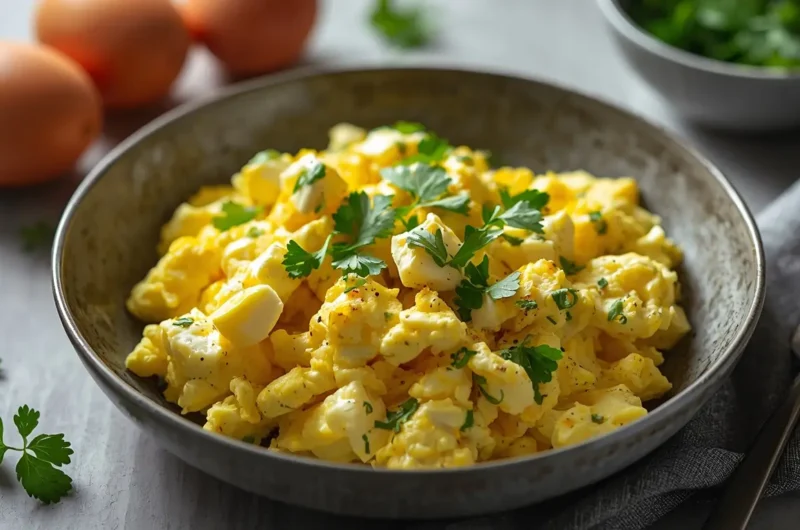
minutesCreamy, tangy scrambled eggs with goat cheese made in just 4 easy steps. Ready in 13 minutes and packed with protein.
Ingredients
4 large fresh eggs
2 oz soft goat cheese (chevre), crumbled
1 tablespoon unsalted butter
2 tablespoons whole milk or heavy cream
Salt and freshly cracked black pepper to taste
1 tablespoon fresh chives, finely chopped
Directions
- Whisk the eggs:
Crack all four eggs into a bowl. Add milk, salt, and pepper. Whisk vigorously for 60 seconds until bubbles form on the surface. - Warm the pan:
Place a non-stick skillet over low-to-medium-low heat. Add butter and let it melt until it foams slightly but does not brown. - Fold the eggs gently:
Pour the egg mixture into the pan. Let the edges set for 20 seconds, then fold slowly with a silicone spatula every 15-20 seconds. Remove from heat when 80% cooked. - Add goat cheese and finish:
Fold in crumbled goat cheese off the heat with 2-3 gentle motions. Plate immediately and garnish with fresh chives and black pepper.
Smart Substitutions:
- Dairy-free? Use olive oil instead of butter and a cashew-based soft cheese instead of goat cheese.
Lower fat? Use 2 whole eggs, 2 egg whites, and reduced-fat goat cheese.
No chives? Fresh dill, tarragon, or microgreens work beautifully as a finishing herb.
Nutrition Facts
1 servings per container
- Amount Per ServingCalories310
- % Daily Value *
- Total Fat
24g
31%
- Cholesterol 395mg 132%
- Sodium 380mg 17%
- Total Carbohydrate
2g
1%
- Dietary Fiber 0g 0%
- Protein 19g 38%
- Vitamin D 2mcg 10%
- Calcium 120mg 10%
* The % Daily Value tells you how much a nutrient in a serving of food contributes to a daily diet. 2,000 calories a day is used for general nutrition advice.