
Homemade Electrolyte Drink Recipe
As an Amazon Associate, I earn from qualifying purchases. This post may contain affiliate links, meaning I get a commission if you decide to purchase through my links, at no cost to you.
Jump to RecipeTable of Contents
Introduction
Did you know that up to 75% of people on a ketogenic diet experience electrolyte depletion within the first two weeks, yet most never realize a simple homemade electrolyte drink recipe could fix it in under five minutes?
When you cut carbs, your kidneys flush sodium, potassium, and magnesium far faster than on a standard diet. According to Healthline, electrolytes are minerals that carry an electric charge and are essential for hydration, nerve signaling, and muscle contractions, all of which are directly disrupted when carbohydrate intake drops sharply. Commercial sports drinks like Gatorade are loaded with sugar and artificial dyes, making them completely off-limits for keto. That is exactly why a clean, homemade electrolyte drink recipe is not just convenient, it is a keto essential.
This homemade electrolyte drink recipe takes just five minutes, costs a fraction of store-bought options, and delivers the precise minerals your body needs. Whether you are battling the keto flu, recovering after a workout, or simply staying on top of hydration, this homemade electrolyte drink formula has you covered. Let us get into it.
Ingredients
Here is everything you need for one serving of this refreshing homemade electrolyte drink recipe. Each ingredient earns its place, no fillers, no guesswork.
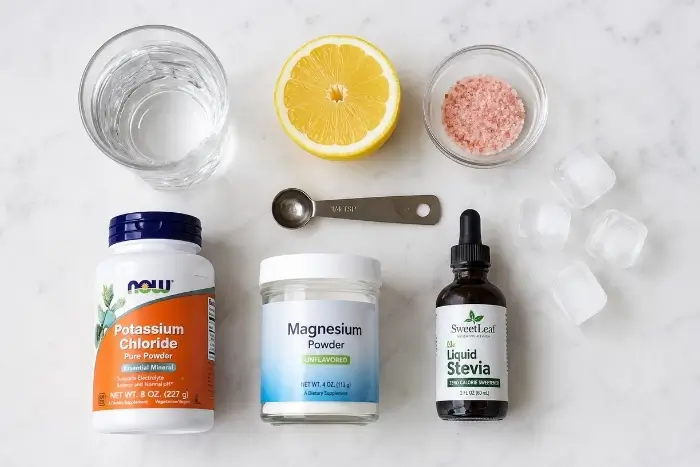
- 2 cups (480 ml) filtered water
- 1/4 teaspoon pink Himalayan salt
- 1/4 teaspoon No Salt or Nu-Salt (potassium chloride)
- 1/8 teaspoon food-grade magnesium powder or 200 mg magnesium citrate
- 2 tablespoons fresh lemon or lime juice
- 1–2 tablespoons apple cider vinegar (optional)
- 1–2 drops liquid stevia or monk fruit sweetener
- A handful of ice cubes
Substitution ideas: No pink salt? Regular sea salt works perfectly. Dislike the taste of ACV? Skip it, the drink is still highly effective. Want a fruity twist? Add a few crushed raspberries or a small splash of unsweetened cranberry juice for color and flavor without the extra carbs.
Timing
- Prep time: 5 minutes
- Cook time: 0 minutes
- Total time: 5 minutes
- Servings: 1 large glass (16 oz)
For comparison, most commercial electrolyte powders still take 5–10 minutes to dissolve properly. This homemade electrolyte drink recipe beats them on speed and freshness every single time.
Step-by-Step Instructions
Step 1: Measure Your Water
Pour 2 cups of cold filtered water into a large glass or shaker bottle. Starting with filtered water makes a noticeable difference. Tap water can carry chlorine that dulls the clean flavor of your homemade electrolyte drink.
Step 2: Add the Minerals
Add the pink Himalayan salt, potassium chloride, and magnesium powder directly to the water. Add them one at a time and stir briefly between each addition so nothing clumps at the bottom of the glass.
Step 3: Squeeze in the Citrus
Freshly squeeze lemon or lime juice straight into the glass. Fresh juice dissolves the minerals faster and gives the electrolyte drink that homemade fans rave about, that bright, clean flavor. Bottled juice works in a pinch but loses some of that natural zing.
Step 4: Sweeten and Stir
Add 1–2 drops of liquid stevia or monk fruit sweetener. If you are using apple cider vinegar, pour it in now. Stir everything together for about 20–30 seconds until all the powders are fully dissolved and the liquid looks clear.
Step 5: Add Ice and Serve
Drop in a generous handful of ice and give the drink one final stir. Your homemade electrolyte drink recipe is ready. Sip it slowly over 20–30 minutes for the best mineral absorption. Do not chug it all at once.
Nutritional Information
Here is the approximate breakdown per 16 oz serving of this homemade electrolyte drink recipe:
- Calories: 5–10 kcal
- Total carbohydrates: 1–2 g
- Net carbs: 1–2 g
- Sodium: ~560 mg
- Potassium: ~350 mg
- Magnesium: ~150 mg
- Vitamin C: ~10 mg
- Sugar: 0 g
Healthier Alternatives for the Recipe
One of the best things about a homemade electrolyte drink recipe is how easily it adapts. Here are some simple swaps worth trying:
- Sparkling mineral water base swap still water for sparkling water for a fizzy, spa-style version of this homemade electrolyte drink recipe
- Coconut water: Use half coconut water and half filtered water for natural potassium; stick to the unsweetened variety to keep carbs low
- Trace mineral drops replace the magnesium powder with a full-spectrum trace mineral solution for a broader micronutrient profile
- Fresh ginger juice adds a teaspoon for anti-inflammatory benefits and a warming, spicy kick
- Cucumber slices: Muddle a few slices in the glass before adding the liquid for extra hydration and a light, clean flavor
- Athletes’ version on heavy training days, double the potassium chloride and magnesium for extra recovery support
Serving Suggestions
This versatile electrolyte drink recipe fits naturally into any part of your day:
- Morning ritual: Drink it first thing on an empty stomach to kickstart hydration before your morning coffee
- Pre-workout sip it 30 minutes before exercise to prime your muscles with the minerals they need
- Post-workout recovery, pair it with a keto protein smoothie for a complete recovery drink
- Afternoon slump, reach for this instead of a second cup of coffee when that 3 PM fatigue hits
- Keto flu relief drink 2–3 servings spread throughout the day during the first week of ketosis
- Dinner mocktail pour over crushed ice in a stemmed glass with a lemon wheel garnish for an elegant zero-carb mocktail
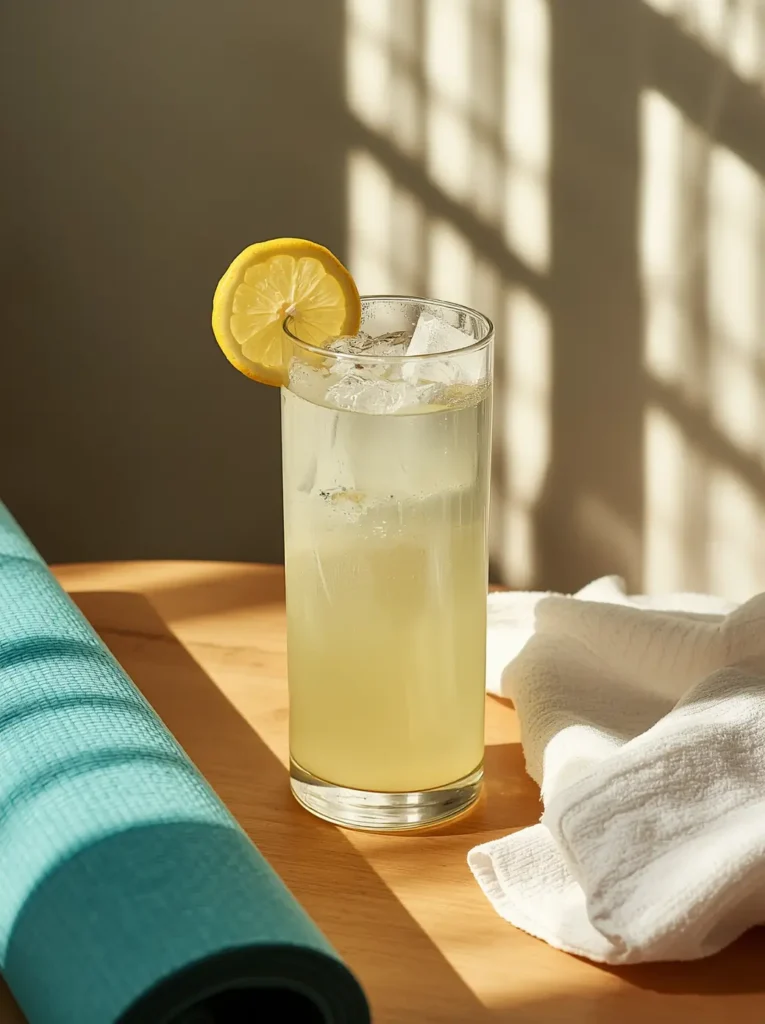
If you love refreshing keto drinks, you will also enjoy our Keto Pink Drink, a naturally colored, sugar-free sip that is just as easy to throw together and just as satisfying. And for a full morning routine built around low-carb living, browse our complete collection of Keto Breakfast Recipes to pair with your electrolyte drink.
Common Mistakes to Avoid
Even a simple homemade electrolyte drink recipe has a few pitfalls. Here is what to watch out for:
- Using table salt, regular iodized salt lacks the trace minerals that make pink Himalayan salt or sea salt worth the upgrade
- Skipping potassium sodium alone without potassium can actually worsen muscle cramps; you need both working together
- Too much magnesium, too soon, more than 400 mg at once, can cause digestive upset; always start with the smaller dose
- Using sugary juice, even a splash of orange juice, adds over 10 grams of carbs and defeats the purpose of a keto electrolyte drink
- Drinking it too fast, chugging, floods your system, and most minerals pass through unused; slow sipping is the way to go
- Making it too far ahead, minerals settle, and citrus oxidizes quickly, so fresh is always best
- Not tasting and adjusting if you are sweating heavily, increase the salt slightly; everyone’s needs are a little different
Storing Tips for the Recipe
While this homemade electrolyte drink recipe is best made fresh, here are practical ways to prep ahead and save time:
- Make a dry mineral mix: combine the salt, potassium chloride, and magnesium in a small glass jar for the week; add one teaspoon per glass of water when ready to drink
- Freeze lemon cubes: squeeze a whole lemon into an ice cube tray, freeze, and drop one cube into your glass each morning for perfectly portioned fresh juice
- Refrigerator storage: if you mix the full drink, store it in a sealed mason jar for up to 24 hours; stir before drinking, as minerals may settle
- Use glass or stainless steel: both preserve flavor better than plastic and prevent any reaction with the acidic citrus
- Travel prep: pack your pre-mixed dry mineral blend in a small resealable bag so you can make your homemade electrolyte drink recipe anywhere you go
Conclusion
This five-minute homemade electrolyte drink recipe is one of the simplest and most effective tools in a keto dieter’s daily routine. Clean minerals, zero sugar, and endless customization make it worth making every single day. Try it today, adjust it to your taste, and drop your feedback in the comments. I would love to hear how it works for you.
FAQs
How often should I drink a homemade electrolyte drink on keto?
Most people on a ketogenic diet benefit from 1–2 servings of a homemade electrolyte drink per day, especially during the first two to four weeks when electrolyte loss is highest. On heavy training days or in hot weather, a third serving is completely fine.
Can I use this drink to cure the keto flu?
Absolutely. The keto flu is primarily caused by rapid electrolyte and fluid loss when carb intake drops sharply. Drinking this homemade electrolyte drink recipe 2–3 times throughout the day can significantly ease symptoms like headaches, fatigue, brain fog, and muscle cramps within 24–48 hours.

Homemade Electrolyte Drink Recipe
Course: BreakfastCuisine: American1
servings5
minutes5
minutesA simple 5-minute homemade electrolyte drink recipe that is fully keto-friendly, zero sugar, and packed with sodium, potassium, and magnesium to fight the keto flu and support daily hydration.
Ingredients
2 cups filtered water
1/4 teaspoon pink Himalayan salt
1/4 teaspoon No Salt or Nu-Salt (potassium chloride)
1/8 teaspoon food-grade magnesium powder or 200 mg magnesium citrate
2 tablespoons fresh lemon or lime juice
1-2 tablespoons apple cider vinegar (optional)
1-2 drops liquid stevia or monk fruit sweetener
A handful of ice cubes
Directions
- Measure Your Water:
Pour 2 cups of cold filtered water into a large glass or shaker bottle. - Add the Minerals:
Add the pink Himalayan salt, potassium chloride, and magnesium powder one at a time, stirring between each addition. - Squeeze in the Citrus:
Freshly squeeze lemon or lime juice directly into the glass. - Sweeten and Stir:
Add stevia or monk fruit drops and apple cider vinegar if using. Stir for 20-30 seconds until fully dissolved. - Add Ice and Serve:
Add a generous handful of ice, give a final stir, and sip slowly over 20-30 minutes.
Nutrition Facts
1 servings per container
- Amount Per ServingCalories10
- % Daily Value *
- Sodium 560mg 25%
- Total Carbohydrate
2g
1%
- Potassium 350mg 8%
* The % Daily Value tells you how much a nutrient in a serving of food contributes to a daily diet. 2,000 calories a day is used for general nutrition advice.