Keto Blueberry Muffins
Table of Contents
Introduction
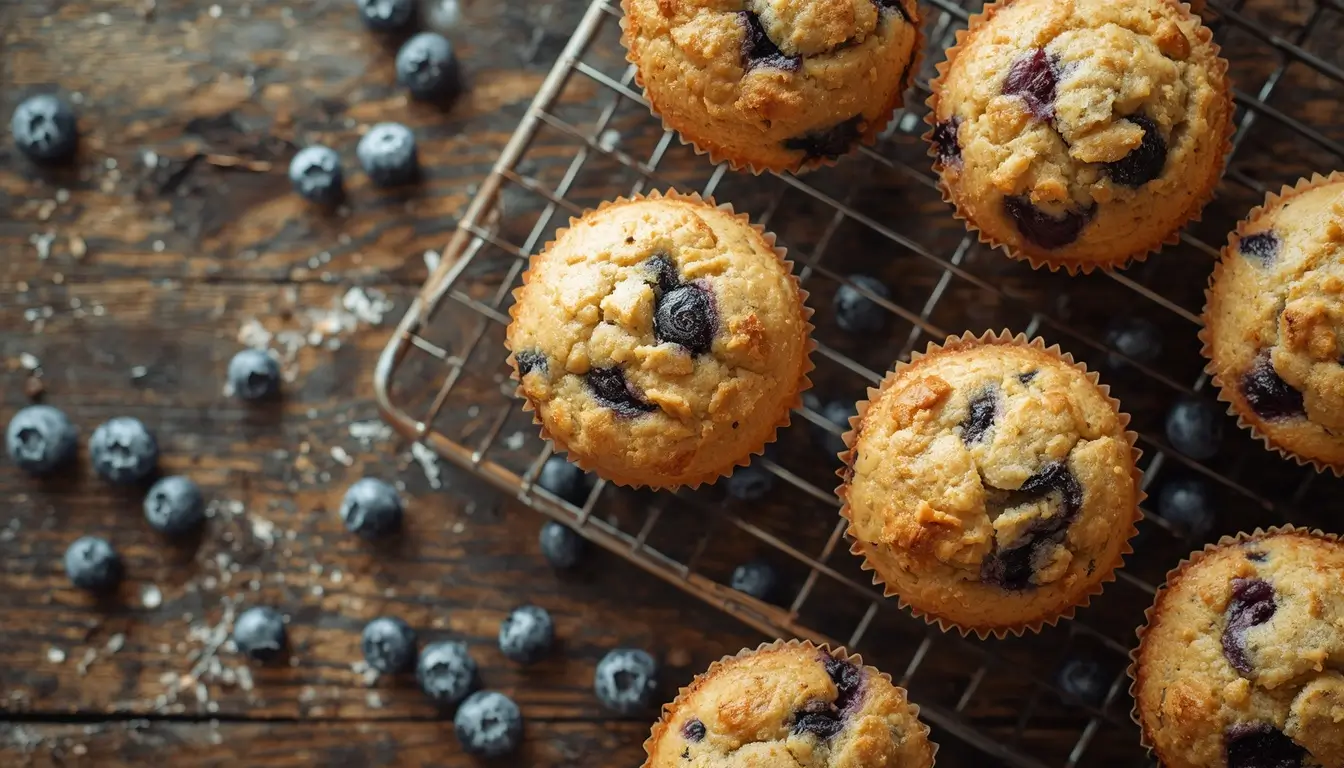
Did you know that a typical bakery blueberry muffin can pack over 40 grams of carbs nearly your entire daily carb budget on keto in one bite-sized breakfast? If you’ve been avoiding muffins since starting keto, these keto blueberry muffins are about to change your mind. With just 5 ingredients and under 4 grams of net carbs per muffin, this keto blueberry muffins recipe proves you don’t have to give up your favorite breakfast to stay in ketosis. Whether you’re meal-prepping for the week or craving something sweet with your morning coffee, this recipe delivers big flavor without the carb crash. Looking for more grab-and-go ideas? Check out our full list of keto breakfast recipes for inspiration beyond muffins.
Ingredients
Here’s everything you need for soft, moist keto blueberry muffins with almond flour:
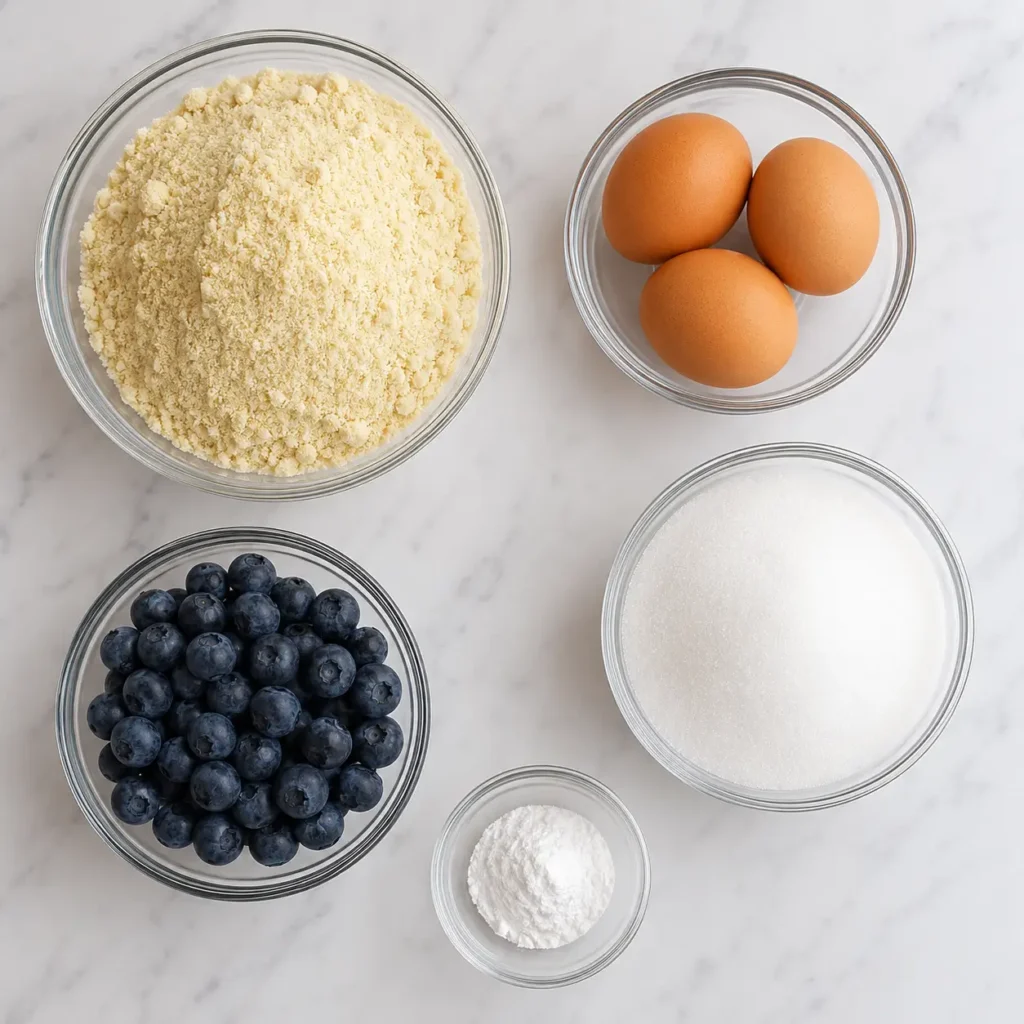
- 2 cups almond flour (blanched, finely ground for the best texture)
- 1/3 cup granulated erythritol or allulose (allulose gives a slightly softer crumb)
- 2 teaspoons baking powder
- 3 large eggs (room temperature for better rise)
- 1 cup fresh or frozen blueberries (if frozen, don’t thaw — toss in a little almond flour first to prevent sinking)
Substitution ideas:
- Swap almond flour for a 1:1 sunflower seed flour if you need a nut-free option
- Use monk fruit sweetener instead of erythritol for a milder aftertaste
- Add a splash of vanilla extract or a pinch of cinnamon for extra warmth
Timing
- Prep time: 10 minutes
- Bake time: 20 minutes
- Total time: 30 minutes
That’s roughly 40% faster than the average from-scratch muffin recipe, which typically runs 45–50 minutes once you factor in creaming butter and sugar. These keto blueberry muffins skip that step entirely, so you can go from mixing bowl to breakfast table in half an hour.
Step-by-Step Instructions
Step 1: Preheat and Prep Your Pan
Preheat your oven to 350°F (175°C) and line a standard 12-cup muffin tin with paper liners or grease it well. This prevents sticking and makes cleanup effortless.
Step 2: Mix the Dry Ingredients
In a large bowl, whisk together the almond flour, sweetener, and baking powder. Breaking up any clumps here ensures your keto blueberry muffins bake up evenly instead of dense in spots.
Step 3: Add the Eggs
Crack in the eggs and stir until you get a thick, uniform batter. It will look heavier than traditional muffin batter, that’s normal for almond flour.
Step 4: Fold in the Blueberries
Gently fold in the blueberries with a spatula, using as few strokes as possible. Overmixing at this stage is one of the most common reasons keto blueberry muffins turn out purple-streaked instead of speckled.
Step 5: Fill and Bake
Divide the batter evenly among the muffin cups, filling each about two-thirds full. Bake for 18–20 minutes, or until a toothpick inserted in the center comes out clean.

Step 6: Cool Before Serving
Let the muffins cool in the pan for 5 minutes, then transfer to a wire rack. Almond flour muffins firm up as they cool, so resist the urge to slice into them too early.
Nutritional Information
Per muffin (based on a batch of 12):
- Calories: 145
- Fat: 12g
- Protein: 5g
- Total Carbs: 5g
- Fiber: 2g
- Net Carbs: 3g
- Sugar: 1g
According to USDA FoodData Central, almond flour contains roughly 3x the fiber and a fraction of the net carbs of all-purpose flour, which is the main reason this keto blueberry muffins recipe fits so easily into a low-carb lifestyle. Blueberries themselves also bring real nutritional value to the table, Healthline notes they’re one of the richest fruit sources of antioxidants, which helps offset the natural sugars they contain.
Healthier Alternatives for the Recipe
- Dairy-free: This recipe is already dairy-free, but if your version includes butter, swap in coconut oil or ghee.
- Lower-calorie: Use egg whites in place of one whole egg to cut fat while keeping the muffins moist.
- Extra fiber boost: Stir in a tablespoon of ground flaxseed or chia seeds for added fiber and omega-3s.
- Nut-free: Sunflower seed flour works well, though it can turn baked goods slightly green from a natural reaction with baking powder, a squeeze of lemon juice prevents this.
Serving Suggestions
- Warm a muffin and spread with grass-fed butter or a smear of cream cheese for extra richness.
- Pair with a hot cup of coffee or a keto-friendly latte for a complete breakfast.
- Crumble a muffin over full-fat Greek yogurt with a few extra blueberries for a parfait-style treat.
- Pack two in a lunchbox alongside a handful of nuts for an on-the-go, portable snack.
- Love muffin-style breakfasts? Try our keto lemon poppy seed muffins or keto cinnamon muffins for more flavor variety throughout the week.

Common Mistakes to Avoid
- Using almond meal instead of almond flour – Almond meal is coarser and includes the skins, which makes muffins dense and gritty.
- Overmixing the batter – This releases too much moisture from the blueberries and can turn the batter a purple-gray color.
- Skipping the flour-toss trick with frozen berries – Without a light coating of flour, frozen blueberries sink straight to the bottom.
- Opening the oven door too early – This can cause the muffins to collapse in the center before they’ve fully set.
- Not measuring almond flour by weight – Scooping directly from the bag can pack in too much flour, leading to dry, crumbly muffins.
Storing Tips
- Room temperature: Store in an airtight container for up to 2 days.
- Refrigerator: Keeps well for up to 1 week in a sealed container.
- Freezer: Freeze baked muffins for up to 3 months. Thaw at room temperature or warm in the microwave for 20–30 seconds.
- Make-ahead tip: You can also freeze the unbaked batter in muffin liners and bake straight from frozen, adding 3–5 extra minutes to the bake time.
Conclusion
These keto blueberry muffins prove that low-carb breakfasts can still be soft, sweet, and satisfying. With just 5 ingredients and 30 minutes, you get a fluffy muffin with only 3g net carbs. Try the recipe, leave a comment below, and subscribe for more easy keto recipes! If you enjoyed this one, you’ll also want to bookmark our keto zucchini muffins and savory pumpkin muffins for even more muffin-tin variety.
FAQs
Can I use fresh blueberries instead of frozen in this keto blueberry muffins recipe?
Yes, fresh blueberries work great and don’t require the flour-toss step needed for frozen berries.
Why did my keto blueberry muffins turn out dense?
This usually happens from using almond meal instead of almond flour, or from packing the flour too tightly when measuring.
Can I make these keto blueberry muffins with almond flour dairy-free?
Yes, the base recipe contains no dairy, making it naturally dairy-free as written.
How do I know when the muffins are fully baked?
Insert a toothpick into the center of a muffin; if it comes out clean or with just a few crumbs, they’re done.

Keto Blueberry Muffins
Course: BreakfastCuisine: American12
muffins10
minutes20
minutes30
minutesEasy 5-ingredient keto blueberry muffins made with almond flour. Ready in 30 minutes with just 3g net carbs per muffin.
Ingredients
2 cups almond flour, blanched and finely ground
1/3 cup granulated erythritol or allulose
2 teaspoons baking powder
3 large eggs, room temperature
1 cup fresh or frozen blueberries
Directions
- Preheat and Prep Your Pan:
Preheat oven to 350°F (175°C) and line a 12-cup muffin tin with paper liners or grease well. - Mix the Dry Ingredients:
Whisk together almond flour, sweetener, and baking powder in a large bowl. - Add the Eggs:
Crack in the eggs and stir until a thick, uniform batter forms. - Fold in the Blueberries:
Gently fold in the blueberries using as few strokes as possible. - Fill and Bake:
Divide batter among muffin cups, filling two-thirds full. Bake 18-20 minutes until a toothpick comes out clean. - Cool Before Serving:
Cool in the pan for 5 minutes, then transfer to a wire rack.
Nutrition Facts
1 servings per container
Serving SizePer muffin
- Amount Per ServingCalories145
- % Daily Value *
- Total Fat
12g
16%
- Total Carbohydrate
5g
2%
- Dietary Fiber 2g 8%
- Total Sugars 1g
- Protein 5g 10%
* The % Daily Value tells you how much a nutrient in a serving of food contributes to a daily diet. 2,000 calories a day is used for general nutrition advice.