Keto Shakshuka
Table of Contents
What If Your Favorite Comfort Breakfast Was Also a Fat-Burning Powerhouse?
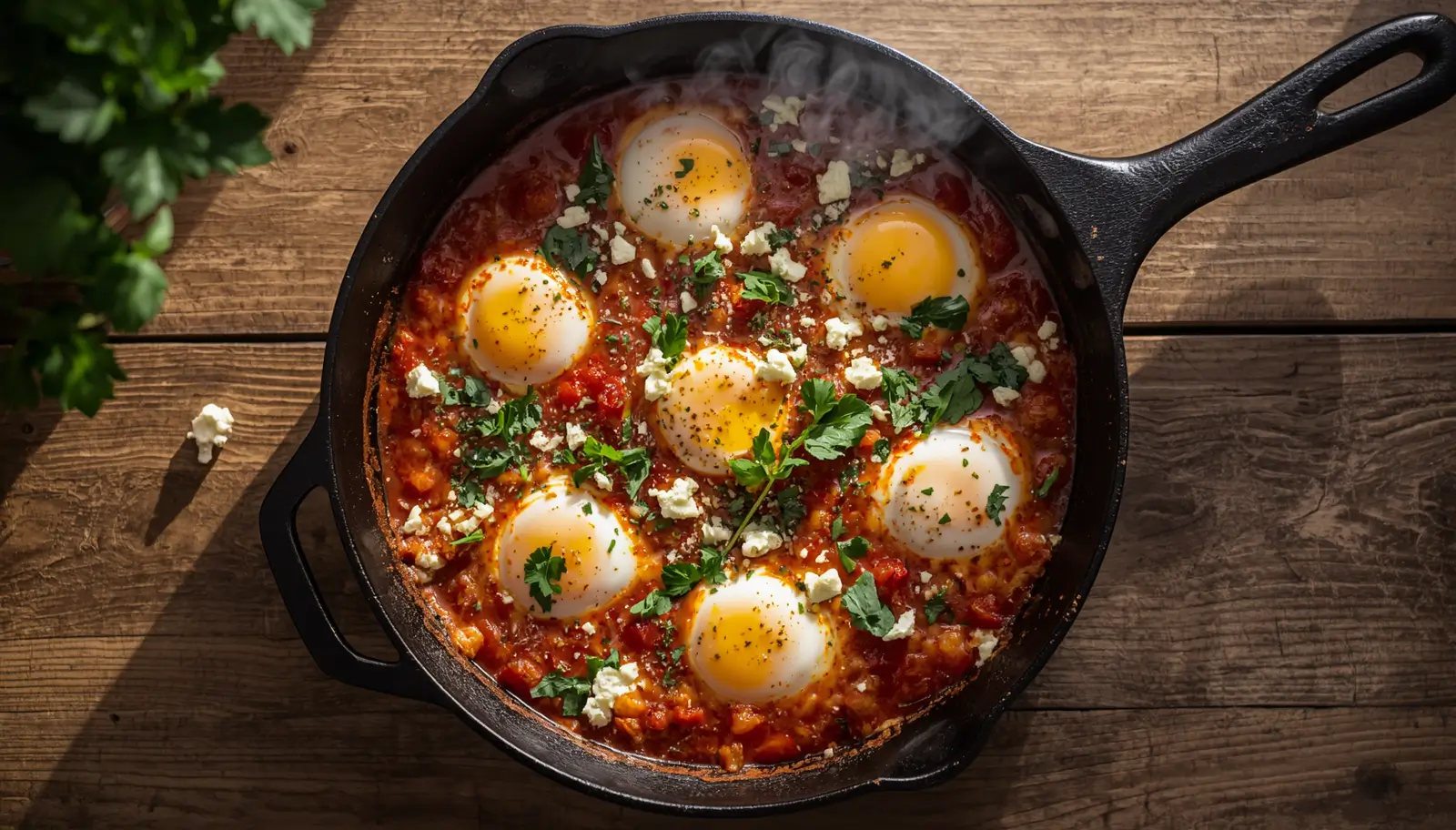
Did you know that the average American breakfast contains over 60 grams of carbohydrates, more than double the daily limit for most keto dieters? Now imagine a morning meal so rich, so deeply satisfying, and so vibrantly flavored that it doesn’t just fit your macros, it elevates them. That’s exactly what keto shakshuka delivers. This bold, North African-inspired eggs in tomato sauce dish has taken the low-carb world by storm, and for good reason. Keto shakshuka is proof that eating well on a ketogenic diet doesn’t mean eating bland.
Whether you’re a seasoned keto veteran or just starting your low-carb journey, this egg tomato sauce recipe checks every box: quick to make, nutrient-dense, deeply flavorful, and endlessly versatile. In this post, we’ll walk you through 5 powerful benefits, a foolproof recipe, and everything you need to know to make this dish your new breakfast obsession.
Ingredients
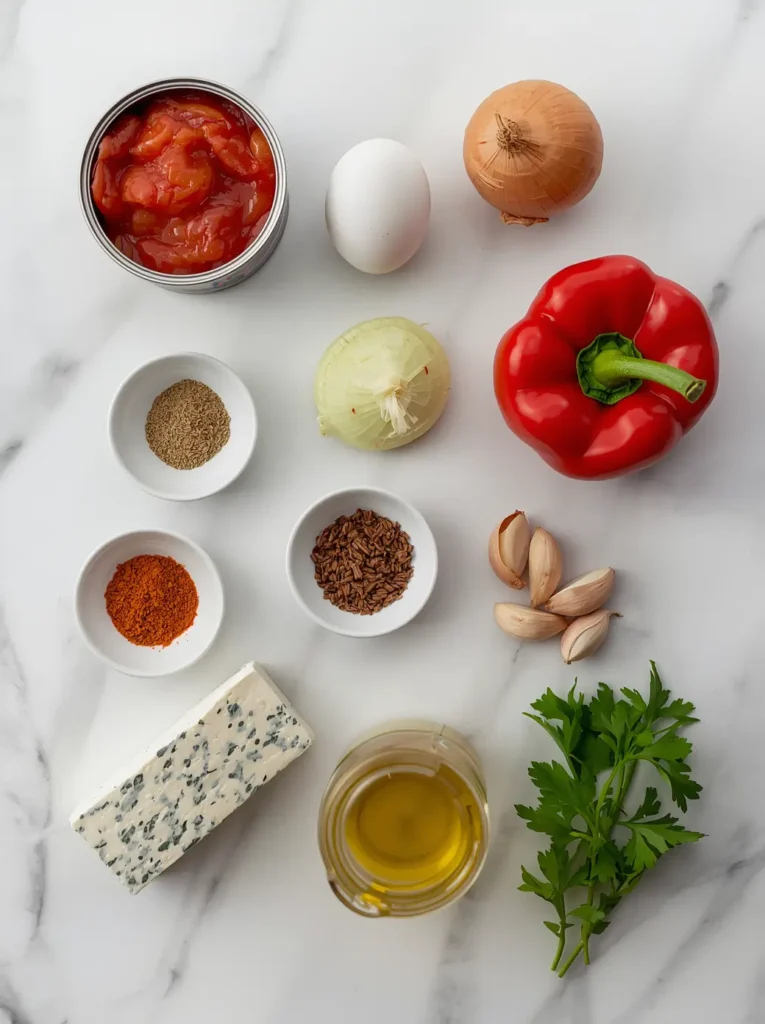
Here’s everything you need to make a stunning keto shakshuka for 2–4 people. Every ingredient is purposefully chosen for flavor, nutrition, and ketogenic compatibility.
The Base:
- 2 tablespoons extra-virgin olive oil (rich, peppery, don’t substitute with vegetable oil)
- 1 medium yellow onion, finely diced
- 1 red bell pepper, diced (adds natural sweetness without spiking carbs)
- 4 garlic cloves, minced (fresh is non-negotiable here)
The Sauce:
- 1 can (14 oz) crushed tomatoes, the backbone of your egg tomato sauce
- 1 tablespoon tomato paste (for depth and umami richness)
- 1 teaspoon ground cumin
- 1 teaspoon smoked paprika
- ½ teaspoon ground coriander
- ¼ teaspoon cayenne pepper (adjust to your heat preference)
- Salt and black pepper to taste
The Stars:
- 4–6 large eggs (free-range or pasture-raised for the best yolks)
- ½ cup crumbled feta cheese
- Fresh parsley or cilantro, for garnish
- Optional: ¼ teaspoon harissa paste for a smoky kick
Smart Substitutions:
- No red bell pepper? Try poblano or a few sun-dried tomatoes.
- Dairy-free? Swap feta for nutritional yeast or omit entirely.
- Want more protein? Stir in ¼ cup ground lamb or crumbled chorizo while sautéing the onion.
- Spice-sensitive? Reduce cayenne to a pinch and skip the harissa.
Timing
This keto shakshuka is a miracle of efficiency in the kitchen:
- Prep Time: 10 minutes
- Cook Time: 25 minutes
- Total Time: 35 minutes
That’s about 40% faster than the average shakshuka recipe, which usually takes 55 to 60 minutes, including longer simmering times. It’s the kind of eggs with tomato sauce dish that fits seamlessly into a busy weekday morning or a leisurely weekend brunch.
Step by Step Instructions
Step 1: Build Your Aromatic Base
Heat the olive oil in a large, oven-safe skillet (cast iron is ideal) over medium heat. Once it shimmers, add the diced onion and bell pepper. Sauté for 6–8 minutes, stirring occasionally, until they’re softened and just beginning to caramelize at the edges. The kitchen should smell incredible at this point. Add the garlic and cook for another 60 seconds until fragrant; don’t let it burn.
Pro tip: If you have the time, let your onions cook low and slow for a couple of extra minutes. That extra caramelization adds a natural sweetness that perfectly balances the acidity in your egg tomato sauce.
Step 2: Toast Your Spices
Add the cumin, smoked paprika, coriander, and cayenne directly into the pan with the vegetables. Stir constantly for 30–45 seconds. You’re “blooming” the spices, activating their essential oils in the fat, which makes a dramatic difference in the final depth of flavor. This single step is what separates good keto shakshuka from extraordinary keto shakshuka.
Step 3: Build the Tomato Sauce
Add the tomato paste and stir it in for about a minute, letting it darken slightly. Then pour in the crushed tomatoes. Season generously with salt and black pepper. Stir everything together, bring to a gentle simmer, and let the sauce cook uncovered for 10–12 minutes, stirring occasionally. It should thicken to a luscious, spoonable consistency. This is the heart of your egg in tomato sauce dish.
Pro tip: If the sauce looks too thick, add 2–3 tablespoons of water. Too thin? Let it simmer a few extra minutes uncovered.
Step 4: Nest the Eggs
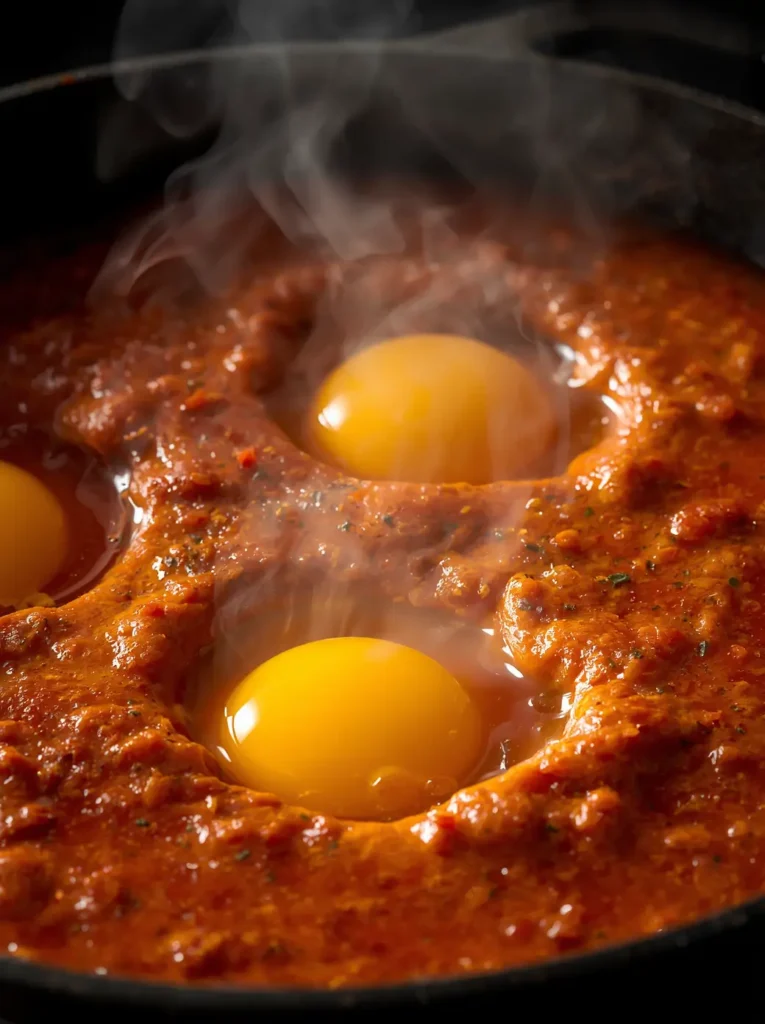
Using a spoon, create 4–6 small wells in the simmering sauce. Crack one egg into each well, being careful not to break the yolks. Sprinkle the feta cheese generously over the sauce. Reduce the heat to medium-low, cover the skillet with a lid or foil, and cook for 5–8 minutes. For runny yolks, pull at 5 minutes; for fully set yolks, go to 8.
Pro tip: For more control, crack each egg into a small ramekin first, then slide it gently into the sauce.
Step 5: Garnish and Serve
Remove from heat, scatter fresh parsley or cilantro over the top, and bring the pan straight to the table. This egg with tomato sauce dish was made to be served family-style, straight from the skillet. A drizzle of high-quality olive oil right before serving adds a glossy, restaurant-worthy finish.
Nutritional Information
Here’s the approximate nutritional breakdown per serving (based on 4 servings, using 5 eggs and feta):
| Nutrient | Per Serving |
|---|---|
| Calories | ~285 kcal |
| Total Fat | 20g |
| Saturated Fat | 6g |
| Protein | 16g |
| Total Carbohydrates | 9g |
| Dietary Fiber | 2.5g |
| Net Carbs | ~6.5g |
| Sodium | 520mg |
| Cholesterol | 240mg |
Why this matters for keto:
- At only 6.5g net carbs per serving, this keto shakshuka fits comfortably within a standard 20–50g daily keto carb limit.
- Eggs are one of the most nutrient-dense foods on the planet, providing choline (critical for brain function and memory), selenium, and all essential amino acids.
- Tomatoes are rich in lycopene, a potent antioxidant associated with reduced cardiovascular risk, and cooking them actually increases lycopene bioavailability, with cooked tomatoes combined with olive oil significantly raising blood lycopene levels compared to raw tomatoes alone.
- The olive oil and egg yolks deliver a heart-healthy ratio of monounsaturated and saturated fats, ideal for fueling ketosis.
Healthier Alternatives for the Recipe
One of the greatest strengths of this egg tomato sauce recipe is its flexibility. Here are smart swaps that dial up the nutrition without sacrificing flavor:
Lower sodium version: Use fresh tomatoes (2–3 large, roughly chopped) instead of canned and reduce the feta quantity. This can cut sodium by nearly 30%.
Higher fat / deeper ketosis: Add 2 tablespoons of grass-fed butter to the sauce just before nesting the eggs. The richness it adds is extraordinary, and the fat content supports deeper ketosis.
Vegetable-boosted: Mix in a generous handful of baby spinach or kale just before adding the eggs. The greens wilt beautifully into the sauce, providing iron, magnesium, and vitamin K with minimal carbohydrate impact. If you love the spinach-and-feta combo, you’ll also want to try our Spinach and Feta Omelet for another quick, veggie-rich keto morning.
Carnivore-adjacent: Brown 2 oz of spicy merguez sausage or ground beef in the pan before adding the onions. This transforms the dish into a heartier, protein-forward eggs in tomato sauce dish that’s deeply satisfying.
Anti-inflammatory focus: Swap smoked paprika for turmeric (½ tsp) and add a pinch of black pepper to enhance curcumin absorption. The result is a golden, aromatic twist on classic keto shakshuka.
Serving Suggestions
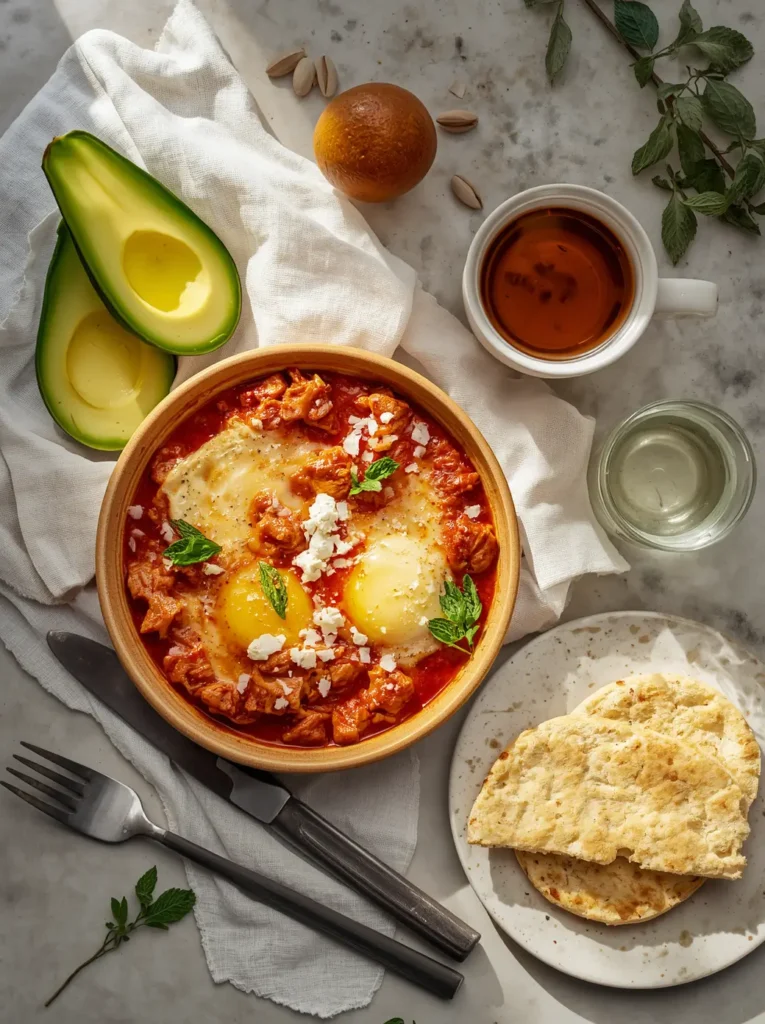
Keto shakshuka doesn’t need much to shine, but thoughtful presentation and pairings make it truly memorable:
- Low-carb bread substitute: Serve alongside a warm slice of almond flour flatbread or cloud bread for dipping into that gorgeous sauce. This is the classic shakshuka experience, reimagined for keto.
- Mezze-style brunch spread: Pair with cucumber slices, olives, and a simple arugula salad with lemon vinaigrette for a full Mediterranean spread. Want more egg-forward brunch ideas? Our Keto Scrambled Eggs with Goat Cheese make a brilliant companion dish on the same table.
- Avocado on the side: The creamy fat in avocado pairs sublimely with the acidity of the egg tomato sauce. Add a few slices with a pinch of flaky sea salt.
- For a dinner variation: This dish of eggs in tomato sauce makes a beautiful light dinner. Serve it with a crisp white wine or sparkling water with lemon for a complete and satisfying meal.
- Meal prep style: Make the tomato sauce base ahead of time and refrigerate. When you’re ready to eat, reheat the sauce, add eggs, and you’ve got a hot breakfast in under 10 minutes. For another elegant egg dish worth the extra prep, check out our Keto Eggs Benedict, perfect for weekend mornings.
Common Mistakes to Avoid
Even experienced cooks can stumble with shakshuka. Here are the most common pitfalls and how to sidestep them:
1. Overcooking the eggs. This is the #1 mistake. Overcooked eggs become rubbery and lose their silky, rich character. Watch closely after 5 minutes with the lid on. The eggs continue cooking slightly after you remove the pan from the heat.
2. Using a sauce that’s too thin. A watery tomato sauce won’t support the eggs; they’ll sink and poach unevenly. Always let your egg tomato sauce reduce adequately in Step 3 before adding the eggs.
3. Skipping the spice-blooming step. Adding spices directly to the tomato base without blooming them first produces a flat, one-dimensional flavor. That 45-second bloom in hot oil makes a profound difference.
4. Overcrowding the pan. Using a pan that is too small results in a sauce that is too deep, causing the eggs to cook unevenly. For 4 eggs, use at least a 10-inch skillet.
5. Not seasoning the sauce properly. Taste the sauce before adding the eggs, and adjust the salt and pepper. An underseasoned sauce is the enemy of a great keto shakshuka.
Storing Tips for the Recipe
Leftover sauce (without eggs): The tomato base of your keto shakshuka stores beautifully. Let it cool completely, then transfer to an airtight container and refrigerate for up to 5 days, or freeze for up to 3 months. Label and date the container.
Leftover eggs in sauce: Already-cooked eggs don’t store as gracefully; the yolks become chalky upon reheating. If you expect leftovers, cook only as many eggs as you’ll eat immediately and save the remaining sauce separately.
Meal prep strategy: Prepare a double batch of tomato sauce on Sunday and split it into individual portions. Each morning, reheat one portion in a small pan, add 1 to 2 eggs, cover the pan, and cook until the eggs are done. This way, you can enjoy fresh keto shakshuka in under 10 minutes every day.
Reheating: Gently reheat the sauce in a covered skillet over medium-low heat. Avoid microwaving, as uneven heat can cause the tomato base to splatter and the eggs (if included) to overcook.
Conclusion
Keto shakshuka is more than a recipe; it’s a nutritional strategy wrapped in bold, vibrant flavor. Low in net carbs, high in healthy fat and protein, and ready in 35 minutes, this egg tomato sauce dish earns a permanent spot in any low-carb kitchen. It’s the rare breakfast that’s equally at home on a Tuesday morning or a Saturday brunch table.
Ready to make it? Try this keto shakshuka recipe and share your experience in the comments below. We’d love to hear your variations!
FAQs
Is shakshuka actually keto-friendly?
Yes! Traditional shakshuka is naturally low in carbohydrates. The main sources of carbs are tomatoes and bell peppers, which are moderate-carb vegetables. With approximately 6.5g of net carbs per serving, keto shakshuka fits well within daily keto limits. Just avoid serving it with traditional pita bread and opt for low-carb alternatives.
Can I make keto shakshuka ahead of time?
Absolutely. The tomato sauce base (without eggs) can be made up to 5 days ahead and stored in the fridge. Simply reheat, add fresh eggs, and cook as directed. This makes it one of the most practical egg tomato sauce recipes for busy mornings.
What’s the difference between regular shakshuka and keto shakshuka?
The core dish is the same eggs poached in a spiced tomato sauce. The main differences in a keto version are as follows: no sugar is added to the sauce (some recipes may include a teaspoon of sugar to reduce acidity), starchy bread pairings are avoided, and sometimes extra fat-rich toppings like avocado or additional olive oil are included to better fit keto macros.
Can I use fresh tomatoes instead of canned?
Definitely, use 3–4 large ripe tomatoes, roughly chopped. Fresh tomatoes produce a slightly lighter, brighter sauce. Cooking time may increase by 5 minutes to allow for additional moisture reduction. The result is a beautiful, farm-fresh eggs in tomato sauce dish.
How do I get perfectly runny yolks every time?
The key is low, controlled heat and a tight-fitting lid. Cook at medium-low, cover the pan, and check at exactly 5 minutes. The whites should be fully set and opaque, while the yolk should still jiggle slightly when you gently shake the pan. Remove immediately and remember the carry-over heat will continue cooking the eggs for about 60 seconds after you pull them off the stove.
Can I add meat to this recipe?
Yes, and it’s delicious. Ground lamb, spicy Italian sausage, merguez, or even crumbled bacon work wonderfully. Brown the meat first in the skillet, drain excess fat if needed, then proceed with building the vegetable and tomato base. This turns your keto shakshuka into a truly hearty, protein-dense meal.
Is this dish good for meal prep?
Yes, with a caveat. The tomato sauce portion is excellent for meal prep. Make a large batch and portion it into individual servings. However, the eggs themselves are best cooked fresh each time. Pre-cooked egg whites become rubbery, and yolks turn chalky when reheated, which would undermine what makes this eggs with tomato sauce dish so special. If grab-and-go convenience is what you’re after, our Bacon and Cheddar Egg Bites are purpose-built for meal prep and travel beautifully.
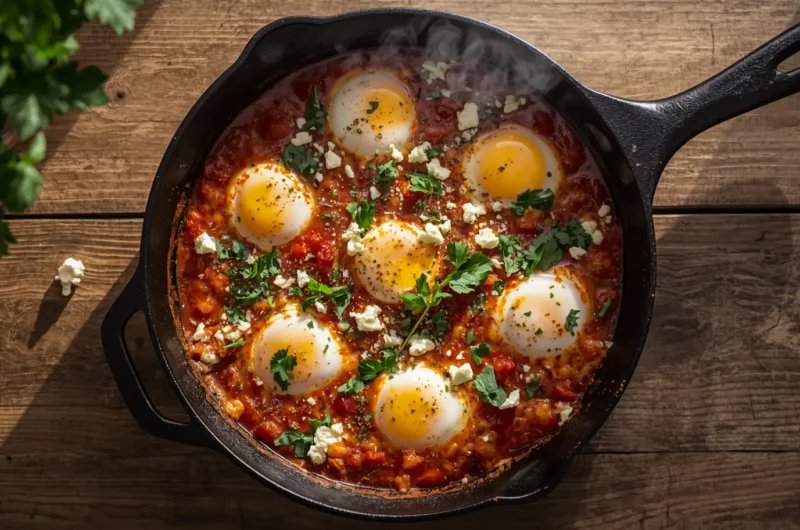
Keto Shakshuka
Course: BreakfastCuisine: Mediterranean4
servings10
minutes25
minutes35
minutesA delicious low-carb keto shakshuka with eggs poached in a spiced tomato sauce and feta, ready in just 35 minutes with only 6.5g net carbs per serving.
Ingredients
2 tbsp extra-virgin olive oil
1 medium yellow onion, diced
1 red bell pepper, diced
4 garlic cloves, minced
14 oz crushed tomatoes
1 tbsp tomato paste
5 large eggs
½ cup crumbled feta cheese
1 tsp cumin
1 tsp smoked paprika
½ tsp coriander
Directions
- Build Your Aromatic Base:
Heat the olive oil in a large, oven-safe skillet (cast iron is ideal) over medium heat. Once it shimmers, add the diced onion and bell pepper. Sauté for 6–8 minutes, stirring occasionally, until they’re softened and just beginning to caramelize at the edges. The kitchen should smell incredible at this point. Add the garlic and cook for another 60 seconds until fragrant; don’t let it burn. - Toast Your Spices:
Add the cumin, smoked paprika, coriander, and cayenne directly into the pan with the vegetables. Stir constantly for 30–45 seconds. You’re “blooming” the spices, activating their essential oils in the fat, which makes a dramatic difference in the final depth of flavor. This single step is what separates good keto shakshuka from extraordinary keto shakshuka. - Build the Tomato Sauce:
Add the tomato paste and stir it in for about a minute, letting it darken slightly. Then pour in the crushed tomatoes. Season generously with salt and black pepper. Stir everything together, bring to a gentle simmer, and let the sauce cook uncovered for 10–12 minutes, stirring occasionally. It should thicken to a luscious, spoonable consistency. This is the heart of your egg in tomato sauce dish. - Nest the Eggs:
Using a spoon, create 4–6 small wells in the simmering sauce. Crack one egg into each well, being careful not to break the yolks. Sprinkle the feta cheese generously over the sauce. Reduce the heat to medium-low, cover the skillet with a lid or foil, and cook for 5–8 minutes. For runny yolks, pull at 5 minutes; for fully set yolks, go to 8. - Garnish and Serve:
Remove from heat, scatter fresh parsley or cilantro over the top, and bring the pan straight to the table. This egg with tomato sauce dish was made to be served family-style, straight from the skillet. A drizzle of high-quality olive oil right before serving adds a glossy, restaurant-worthy finish.
Notes
Nutrition Facts
1 servings per container
- Amount Per ServingCalories285
- % Daily Value *
- Total Fat
20g
26%
- Saturated Fat 6g 30%
- Sodium 520mg 23%
- Total Carbohydrate
9g
4%
- Dietary Fiber 2.5g 9%
- Protein 16g 32%
* The % Daily Value tells you how much a nutrient in a serving of food contributes to a daily diet. 2,000 calories a day is used for general nutrition advice.