
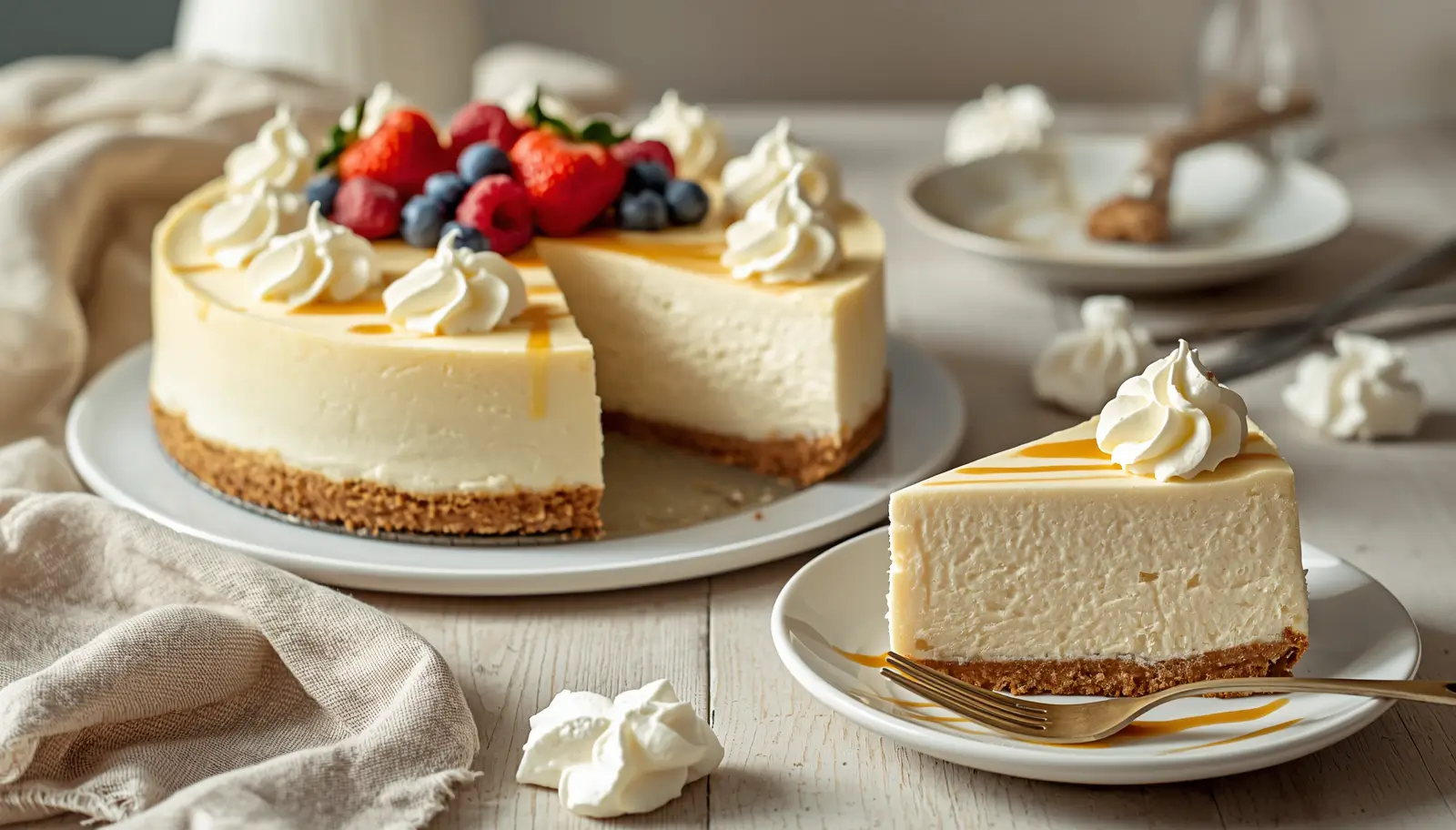
Keto Cheesecake Recipe
Table of Contents
Introduction: Can Dessert Actually Be Good for Your Diet?
What if you could eat a rich, velvety slice of cheesecake guilt-free while staying deep in ketosis? Sounds too good to be true, right? According to a 2023 survey by the International Food Information Council, over 36% of Americans follow some form of low-carb or ketogenic diet, and one of the top challenges they report is finding satisfying desserts. Enter the keto cheesecake: a creamy, fluffy, indulgent treat that delivers all the flavor of traditional cheesecake with none of the sugar spike.
This keto cheesecake recipe is not just another bland low-carb substitution. It’s a genuinely delicious, properly textured dessert that will impress keto veterans and skeptics alike. Whether you’re new to keto baking or a seasoned low-carb home chef, this guide walks you through every step from the buttery almond flour crust to that irresistibly airy filling, so you can nail it on the very first try.
Let’s bake something extraordinary.
Ingredients
Here’s everything you’ll need to create this show-stopping sugar-free cheesecake recipe. Every ingredient has been carefully selected to maximize flavor, texture, and nutritional value.
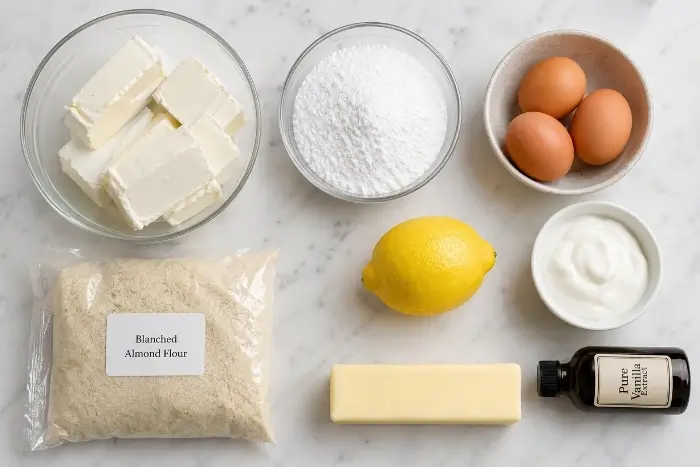
For the Almond Flour Crust
- 1½ cups (150g) blanched almond flour, finely ground for the best texture; substitute with hazelnut flour for a nuttier flavor
- 3 tablespoons (42g) unsalted butter, melted, or use coconut oil for a dairy-free option
- 2 tablespoons (24g) granulated erythritol or monk fruit sweetener
- ½ teaspoon vanilla extract
- Pinch of fine sea salt
For the Fluffy Cheesecake Filling
- 3 packages (680g / 24 oz) full-fat cream cheese, softened to room temperature; this is non-negotiable for that silky, lump-free texture
- 1 cup (200g) powdered erythritol or Swerve Confectioners; avoid granulated sweetener here to prevent grittiness
- 3 large eggs, room temperature
- 1 cup (240ml) full-fat sour cream, substitute with full-fat Greek yogurt for a slightly tangier bite
- 1 tablespoon of fresh lemon juice brightens the entire flavor profile
- 2 teaspoons pure vanilla extract
- ¼ teaspoon fine sea salt
Optional Toppings
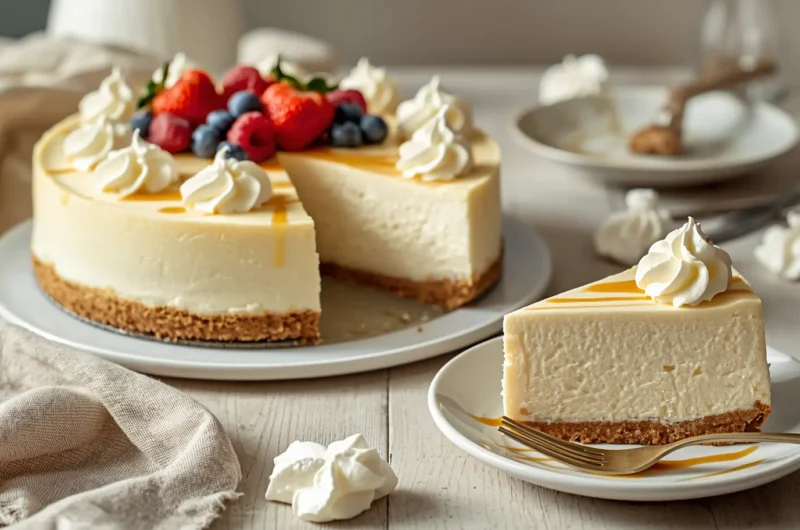
- Fresh strawberries, raspberries, or blueberries (in moderation, watch your carb count)
- Sugar-free whipped cream
- A drizzle of sugar-free caramel or chocolate sauce
Pro Tip: Using room-temperature ingredients is the single most important factor in achieving a smooth, crack-free cheesecake. Take your cream cheese, eggs, and sour cream out of the fridge at least 2 hours before baking.
Timing
| Stage | Time |
|---|---|
| Prep Time | 20 minutes |
| Bake Time | 55 minutes |
| Cooling + Chilling Time | 4–6 hours (or overnight) |
| Total Time | ~5–7 hours (mostly hands-off) |
The active hands-on time is just 20 minutes, roughly 30% less prep than most traditional cheesecake recipes that require additional steps like blind-baking a pastry crust. The rest is simply patience while your refrigerator does the heavy lifting.
Step by Step Instructions
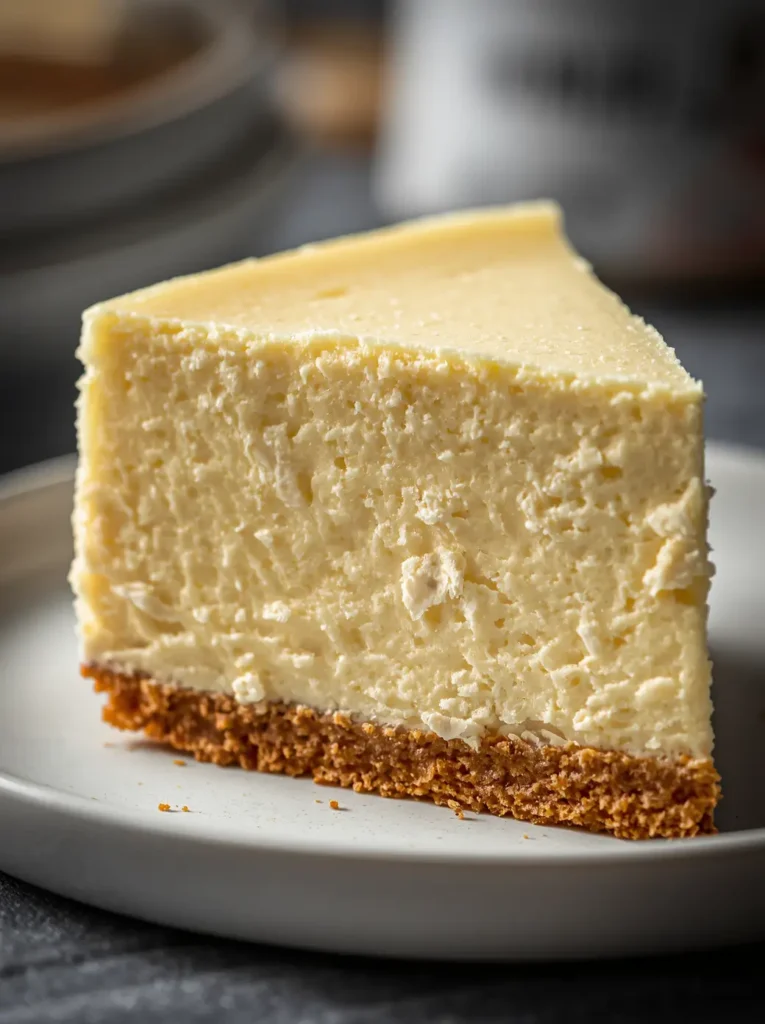
Step 1: Preheat Your Oven and Prep Your Pan
Preheat your oven to 325°F (163°C). Line the bottom of a 9-inch springform pan with parchment paper and lightly grease the sides with butter or non-stick spray. The springform pan is essential; it’s what allows you to release the cheesecake cleanly without destroying those beautiful edges.
Step 2: Make the Almond Flour Crust
In a medium bowl, combine the almond flour, melted butter, erythritol, vanilla extract, and salt. Mix until the texture resembles wet sand and holds together when pressed between your fingers. Press the mixture evenly into the bottom of your prepared springform pan. Use the flat bottom of a measuring cup to create a firm, even layer.
Bake the crust for 8–10 minutes, or until it turns lightly golden around the edges. Remove from the oven and let it cool while you prepare the filling. Don’t skip this pre-bake; it prevents a soggy base.
Step 3: Beat the Cream Cheese Until Fluffy
In a large mixing bowl (or stand mixer), beat the softened cream cheese on medium speed for 2–3 minutes until it becomes light, fluffy, and completely smooth. Scrape down the sides of the bowl frequently. This step is the foundation of your cheesecake’s texture. Under beating leads to lumps, and we’re not having any of that.
Step 4: Add the Sweetener and Wet Ingredients
Add the powdered erythritol to the cream cheese and beat on low for 30 seconds, then increase to medium and mix for another minute. Add the sour cream, lemon juice, vanilla extract, and salt. Mix on low until just combined. Resist the urge to over-beat at this stage.
Step 5: Add the Eggs One at a Time
This is the most critical step for a fluffy, crack-free result. Add your eggs one at a time, beating on low speed after each addition until just incorporated. Over-mixing the eggs introduces excess air, which causes the cheesecake to puff up in the oven and crack as it cools. Low and slow wins here.
Step 6: Pour Filling and Set Up a Water Bath
Pour the filling over your cooled crust and smooth the top with a spatula. For the creamiest texture with zero cracks, set up a simple water bath: wrap the outside of your springform pan tightly with two layers of heavy-duty aluminum foil, then place it in a larger roasting pan. Pour hot water into the roasting pan until it comes about 1 inch up the sides of the springform pan.
Why a water bath? The steam creates a gentle, even baking environment that keeps the cheesecake moist and prevents it from over-baking at the edges while the center is still setting.
Step 7: Bake Low and Slow
Place the entire setup in the oven and bake at 325°F (163°C) for 50–55 minutes. The cheesecake is done when the edges are set and firm, but the center still has a slight jiggle (about a 2–3 inch wobbly circle in the very center). It will continue to set as it cools.
Step 8: Cool Gradually (Don’t Rush This)
Turn off the oven, crack the door open slightly, and let the cheesecake rest inside for 1 hour. This gradual cooling is your insurance policy against cracks. After an hour, transfer to the counter to cool completely, then refrigerate for a minimum of 4 hours overnight is ideal.
Step 9: Release, Slice, and Serve
Run a thin knife around the edge of the pan before releasing the springform latch. This prevents tearing. Slice with a sharp knife, wiping the blade clean between each cut for picture-perfect slices.
Nutritional Information
Per serving (based on 12 slices, no toppings)
| Nutrient | Amount per Slice |
|---|---|
| Calories | ~310 kcal |
| Total Fat | 28g |
| Saturated Fat | 16g |
| Total Carbohydrates | 5g |
| Net Carbohydrates | 3g |
| Dietary Fiber | 1g |
| Sugar Alcohols | ~8g (erythritol, not counted) |
| Protein | 8g |
Compared to a traditional New York-style cheesecake slice, which averages 55g of total carbohydrates, this keto cheesecake recipe delivers a remarkable 94% reduction in net carbs, making it genuinely compatible with a ketogenic lifestyle. The high fat content also supports satiety, meaning one slice actually satisfies.
Note: Nutritional values are estimates and may vary based on specific brands and any substitutions made.
Healthier Alternatives for the Keto Cheesecake
One of the best things about this keto cheesecake is its adaptability. Here are some smart swaps to suit different needs:
- Dairy-free version: Replace cream cheese with a plant-based cream cheese (like Kite Hill), use coconut cream instead of sour cream, and swap butter for coconut oil in the crust.
- Nut-free crust: Use sunflower seed flour or finely shredded unsweetened coconut in place of almond flour.
- Higher protein: Fold ¼ cup of unflavored collagen peptides or a scoop of unflavored whey protein into the batter for a protein boost without altering flavor.
- Lower in calories: Use reduced-fat cream cheese (Neufchâtel); the texture will be slightly less dense but still delicious.
- Chocolate keto cheesecake: Add 3 tablespoons of unsweetened cocoa powder and an extra tablespoon of powdered sweetener to the filling.
- Lemon cheesecake: Double the lemon juice and add 1 tablespoon of fresh lemon zest for a bright, citrusy twist.
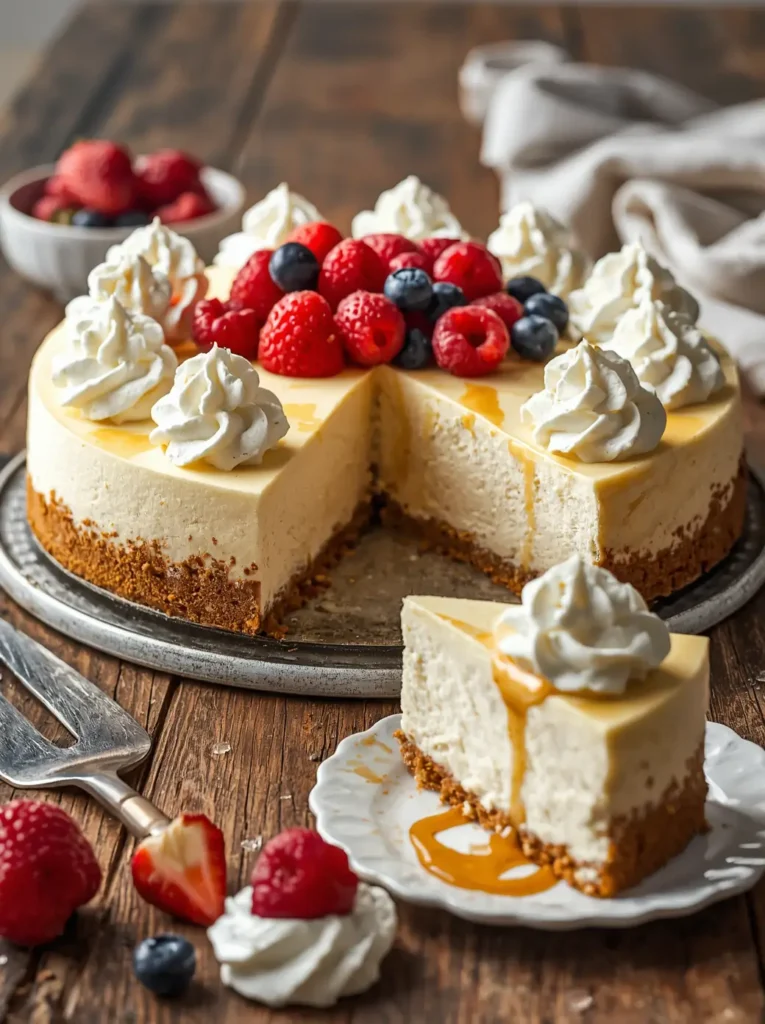
Serving Suggestions
A great keto cheesecake deserves a worthy presentation. Here are some ideas to elevate your dessert game:
- Classic: A dollop of sugar-free whipped cream and a few fresh raspberries. The tartness of the berries cuts through the richness beautifully.
- Dessert bar style: Slice into mini bars and serve on a platter with small dishes of different toppings, sugar-free caramel drizzle, crushed pecans, cocoa nibs, and fresh mint.
- Deconstructed: Crumble leftover crust pieces over a slice with a warm berry compote (just simmer berries with a pinch of erythritol and lemon juice).
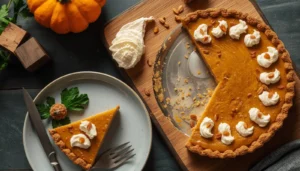
- Holiday version: Add a swirl of pumpkin spice or cinnamon cream to the top before baking for a festive autumn cheesecake.
- Party-friendly: Bake in a standard muffin tin (no crust needed) for individual no-fuss servings, reducing baking time to about 20 minutes.
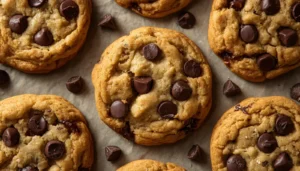
Still craving more? If this keto cheesecake has your sweet tooth buzzing, you’re in luck. Browse our full collection of keto dessert recipes, from fudgy keto brownies and peanut butter fat bombs to keto chocolate chip cookies. Every recipe is low in net carbs and big on flavor, so your dessert game never has to stop here.
Common Mistakes to Avoid
Even experienced bakers can stumble with cheesecake. Here’s how to sidestep the most common pitfalls:
- Using cold cream cheese. This is the number-one cause of lumpy batter. Always soften fully to room temperature for at least 2 hours, or speed things up by cutting into small cubes.
- After adding the eggs, avoid over-mixing. Excess air can cause cracks. Keep the mixer on low and stop as soon as the eggs are incorporated.
- Skipping the water bath. Even if it seems fussy, the water bath is worth the extra step. Without it, you’re far more likely to see a cracked, dry, unevenly baked cheesecake.
- Opening the oven door during baking. Temperature fluctuations cause sinking and cracking. Resist the urge to peek until the minimum bake time is up.
- Cutting too soon. Impatience is the enemy. A cheesecake that hasn’t fully chilled will collapse on the knife and look messy. Minimum 4 hours in the fridge overnight is better.
- Using granulated sweetener in the filling. Erythritol and monk fruit need to be in powdered form for a smooth, grit-free cheesecake. Run granulated sweetener through a blender if you don’t have powdered on hand.
Storing Tips for the Keto Cheesecake
Refrigerator: Keto cheesecake keeps beautifully in the fridge for up to 5 days. Cover the top loosely with plastic wrap or store slices in an airtight container to prevent the surface from drying out or absorbing fridge odors.
Freezer: This cheesecake is a fantastic make-ahead dessert. Freeze individual slices on a baking sheet until solid, then transfer to a zip-lock freezer bag or airtight container. Properly stored, frozen keto cheesecake lasts up to 2 months. Thaw in the refrigerator overnight for best results. Never microwave, as it ruins the texture.
Meal prep tip: The almond flour crust can be made up to 3 days in advance and stored (pre-baked) at room temperature, covered tightly.
Conclusion
This fluffy keto cheesecake proves that eating low-carb doesn’t mean sacrificing the desserts you love. With only 3g of net carbs per slice, a buttery almond crust, and a cloud-like cream cheese filling, it’s everything a cheesecake should be: rich, creamy, satisfying, and completely sugar-free.
Now it’s your turn! Try this keto cheesecake recipe, and let us know how it goes in the comments below. I’d love to hear your variations and personal tweaks. Enjoyed this recipe?
FAQs
Can I make this keto cheesecake without a water bath?
Yes, though you risk cracking and slightly uneven baking. If skipping, reduce the oven temperature to 300°F (148°C) and place a pan of hot water on the rack below your cheesecake as a compromise.
Is erythritol the only sweetener I can use?
Not at all. Monk fruit sweetener, allulose, or a blend like Swerve works excellently. Avoid xylitol if you have pets, as it’s toxic to dogs. Stevia-based powdered sweeteners can be effective, but they may leave a slight aftertaste if used in large amounts.
Why did my cheesecake crack on top?
The most common culprits are over-mixing after adding eggs, skipping the water bath, or cooling too quickly. The good news? Cracks are purely cosmetic, topped with whipped cream or a berry compote, and no one will ever know.
Can I use a different crust instead of almond flour?
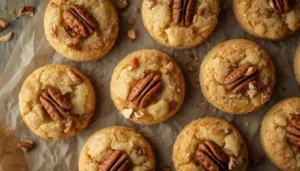
Absolutely. A pecan meal crust adds a wonderful buttery richness, or you can use crushed sugar-free chocolate wafer cookies. For a no-bake crust, simply press and refrigerate instead of baking.
How do I know when my keto cheesecake is fully baked?
The edges should look set and slightly puffed, while the center (roughly 2–3 inches in diameter) should still wobble gently like Jell-O when you nudge the pan. It will firm up completely during cooling.
Can this recipe be made ahead of time for a party?
This is actually one of the best party desserts precisely because it must be made ahead. Bake the day before, chill overnight, and all that’s left for party day is slicing and adding toppings.
Does erythritol affect blood sugar?
Erythritol has a glycemic index of essentially zero and is not metabolized by the body for energy, making it one of the most keto-friendly sweeteners available. However, individual responses can vary. If you’re managing diabetes, consult your healthcare provider.
Keto Cheesecake Recipe
Course: Keto DessertsCuisine: American12
slices20
minutes55
minutes6
hours15
minutesA fluffy, creamy keto cheesecake recipe with just 3g net carbs per slice, a buttery almond flour crust, and zero sugar. The perfect low-carb dessert.
Ingredients
1½ cups (150g) blanched almond flour
3 tablespoons (42g) unsalted butter, melted
2 tablespoons (24g) granulated erythritol
½ teaspoon vanilla extract
Pinch of fine sea salt
3 packages (680g / 24 oz) full-fat cream cheese, softened
1 cup (200g) powdered erythritol
3 large eggs, room temperature
1 cup (240ml) full-fat sour cream
1 tablespoon fresh lemon juice
2 teaspoons pure vanilla extract
¼ teaspoon fine sea salt
Directions
- Preheat and prep:
Preheat oven to 325°F (163°C). Line a 9-inch springform pan with parchment and lightly grease the sides. - Make the almond flour crust:
Combine almond flour, melted butter, erythritol, vanilla, and salt. Press into the pan and bake 8–10 minutes until golden. - Beat the cream cheese:
Beat softened cream cheese on medium speed for 2–3 minutes until smooth and fluffy. - Add sweetener and wet ingredients:
Mix in powdered erythritol, sour cream, lemon juice, vanilla, and salt on low until just combined. - Add the Eggs One at a Time:
Add eggs one at a time on low speed, mixing only until incorporated after each addition. - Pour Filling and Set Up a Water Bath:
Pour filling over crust. Wrap pan in foil and place in a roasting pan with 1 inch of hot water. - Bake:
Bake at 325°F for 50–55 minutes until edges are set and center has a slight jiggle. - Cool gradually:
Turn off oven, crack door, and rest for 1 hour. Transfer to counter to cool completely, then refrigerate at least 4 hours. - Slice and serve:
Run a knife around the edge, release the springform latch, and slice with a clean sharp knife.
Optional Toppings:
- Fresh strawberries, raspberries, or blueberries (in moderation, watch your carb count)
Sugar-free whipped cream
A drizzle of sugar-free caramel or chocolate sauce
Nutrition Facts
1 servings per container
Serving Size1 slice
- Amount Per ServingCalories310
- % Daily Value *
- Total Fat
28g
36%
- Saturated Fat 16g 80%
- Total Carbohydrate
5g
2%
- Dietary Fiber 1g 4%
- Total Sugars 1g
- Protein 8g 16%
* The % Daily Value tells you how much a nutrient in a serving of food contributes to a daily diet. 2,000 calories a day is used for general nutrition advice.
2 Comments