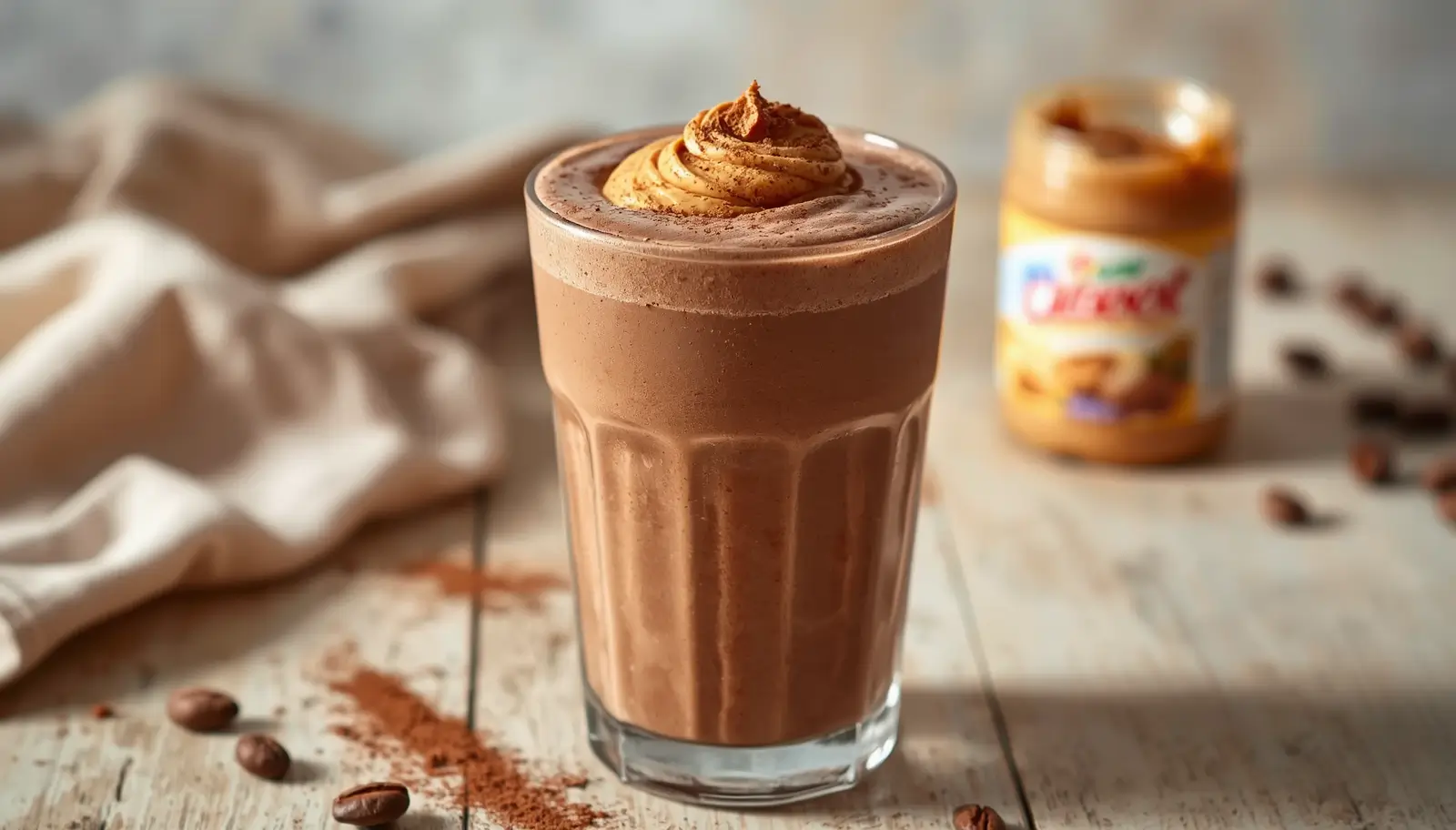
Chocolate Peanut Butter Smoothie
Table of Contents
Is Your Morning Routine Missing the Perfect Keto Fuel?
What if the most satisfying breakfast you could make took less than five minutes and actually kept you full for hours? This chocolate peanut butter smoothie is exactly that: a rich, creamy, low-carb drink that delivers serious flavor without the sugar crash. Studies show that high-fat, high-protein breakfasts reduce hunger hormones by up to 30% compared to carb-heavy options, and this chocolate peanut butter smoothie delivers on both fronts. Whether you’re deep in ketosis or just eating cleaner, this recipe belongs in your weekly rotation.
Ingredients
Here’s everything you need to make this chocolate peanut butter smoothie recipe:
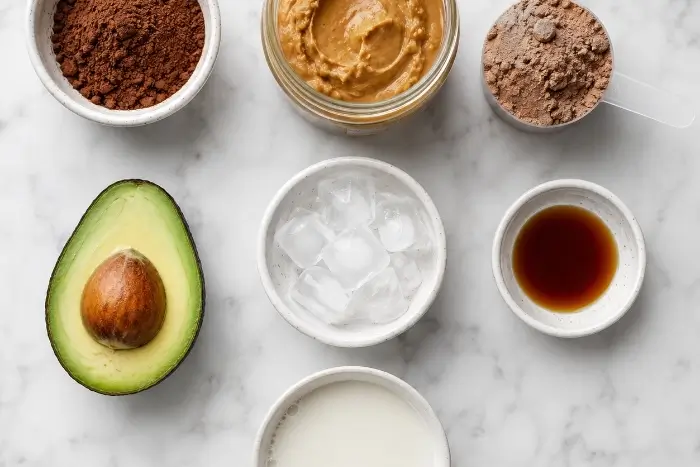
- 1 cup unsweetened almond milk (or coconut milk for extra creaminess)
- 2 tablespoons natural peanut butter (no added sugar, look for just peanuts and salt)
- 1 tablespoon unsweetened cocoa powder (or raw cacao for more antioxidants)
- 1 scoop chocolate protein powder (optional, but turns this into a chocolate peanut butter protein smoothie)
- ½ teaspoon vanilla extract
- 1–2 tablespoons powdered erythritol or monk fruit sweetener (adjust to taste)
- ½ cup ice cubes
- ¼ avocado (optional adds healthy fats and a silkier texture)
- Pinch of sea salt (it makes the chocolate flavor pop)
Substitutions: Swap almond milk for a homemade hemp milk if you want a nuttier, dairy-free base with extra omega-3s. Use sunflower seed butter instead of peanut butter for a nut-free version. Coconut cream in place of avocado works beautifully, too.
Timing
- Prep time: 2 minutes
- Blend time: 1–2 minutes
- Total time: Under 5 minutes
That’s roughly 85% faster than the average blended keto breakfast recipe, which typically involves cooking, cooling, or soaking. This peanut butter chocolate smoothie is built for busy mornings.
Step-by-Step Instructions
Step 1: Add Your Liquids First
Pour the almond milk into the blender before anything else. Starting with liquid protects your blender blades and ensures a smoother blend. If you’re using coconut milk, give the can a good shake first so the fat and liquid are combined.
Step 2: Add the Peanut Butter and Cocoa
Spoon in the natural peanut butter and sift in the cocoa powder. Sifting the cocoa takes five extra seconds but prevents dry clumps from hiding at the bottom of your glass. This is where the deep, chocolatey backbone of the peanut butter chocolate smoothie really takes shape.
Step 3: Add Sweetener, Vanilla, and Salt
Drop in your sweetener of choice, the vanilla extract, and that pinch of sea salt. The salt is a small detail that makes a noticeable difference; it amplifies the chocolate flavor the same way it does in good baking.
Step 4: Add Protein Powder and Avocado (If Using)
If you’re making a chocolate peanut butter protein smoothie, add your scoop of protein powder now. Add the avocado if you want a thicker, creamier consistency with an extra boost of healthy fats and potassium.
Step 5: Add Ice and Blend
Add the ice cubes last, then blend on high for 45–60 seconds. You’re looking for a completely smooth, velvety texture with no chunks. If the smoothie is too thick, add a splash more almond milk and blend for another 10 seconds.
Step 6: Taste and Adjust
Give it a quick taste before pouring. Need more sweetness? Add a touch more erythritol. Want more chocolate depth? A small pinch more cocoa does the trick. This is your smoothie, make it yours.
Nutritional Information
Per serving (without protein powder or avocado):
| Nutrient | Amount |
|---|---|
| Calories | ~280 kcal |
| Total Fat | 22g |
| Net Carbs | 4g |
| Protein | 9g |
| Fiber | 3g |
| Sugar | 1g |
Add a scoop of chocolate protein powder, and you’re looking at roughly 38–42g of protein per serving, making this chocolate peanut butter protein smoothie a genuinely complete meal replacement. The fat-to-carb ratio is ideal for maintaining ketosis, and the magnesium from cocoa powder supports muscle recovery and sleep quality.
Healthier Alternatives
- Lower-calorie version: Use powdered peanut butter (PB2) instead of regular peanut butter, which cuts fat significantly while keeping the flavor.
- Dairy-free and nut-free: Use sunflower seed butter and oat milk. Still creamy, still satisfying.
- Extra fiber boost: Add 1 tablespoon of ground flaxseed or chia seeds. Both blend in invisibly and add omega-3s.
- Caffeine kick: Blend in a shot of cold espresso or a teaspoon of instant coffee. Chocolate and coffee are a natural pair, and the caffeine complements the protein for a great pre-workout drink similar to how a bulletproof coffee gives you that sustained, clean energy without the mid-morning crash.
- Green’s addition: A small handful of baby spinach blends in completely without affecting the taste. You get extra micronutrients with zero compromise on flavor.
Serving Suggestions
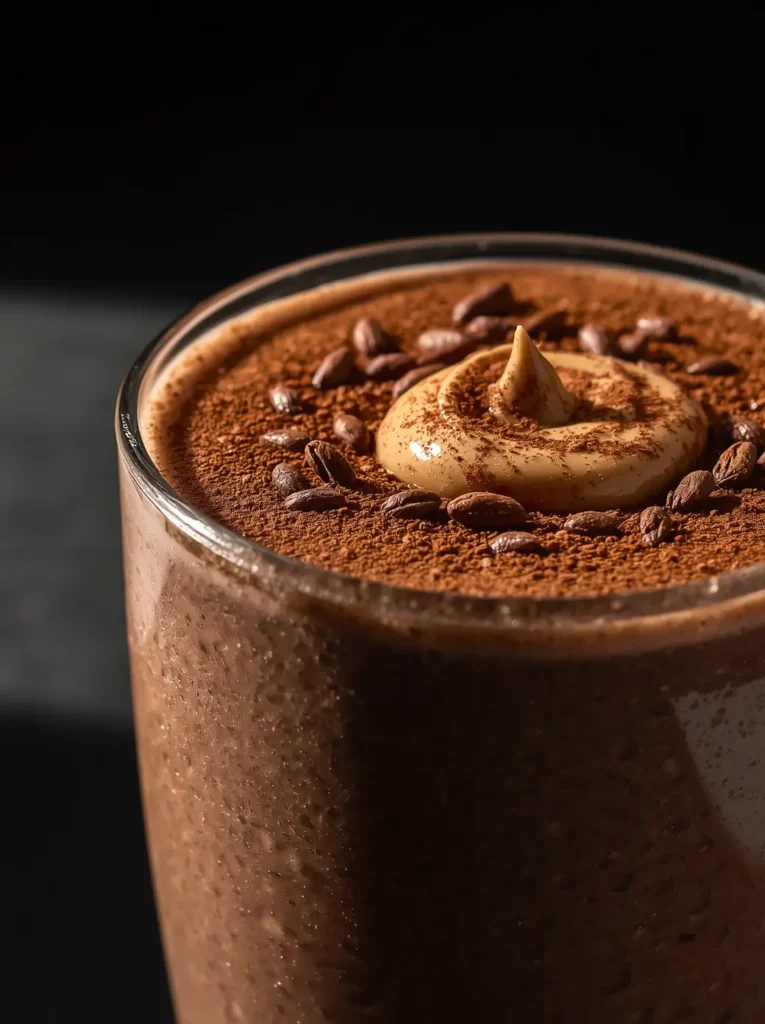
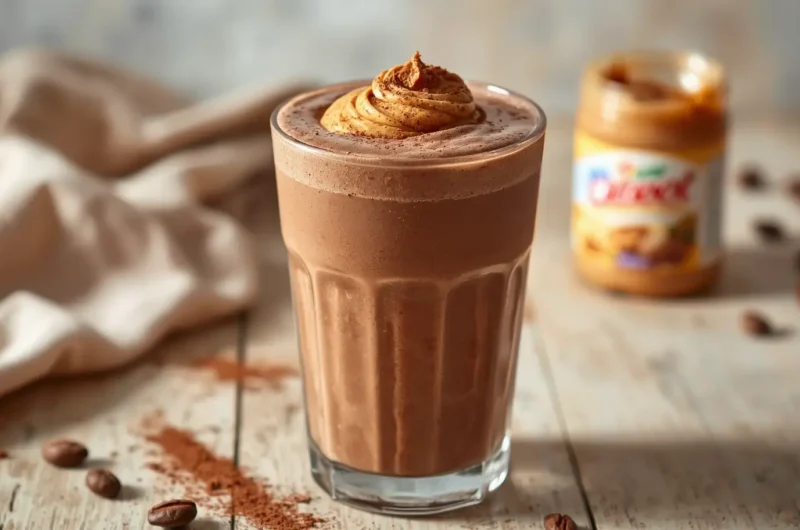
- As a breakfast: Serve in a tall glass with a reusable straw and a light sprinkle of cocoa powder or crushed keto granola on top.
- As a post-workout shake: Drink it within 30 minutes of finishing your workout when your muscles are most receptive to protein.
- Smoothie bowl style: Reduce the almond milk to ½ cup for a thicker consistency, pour into a bowl, and top with a few keto-friendly toppings like unsweetened coconut flakes, cacao nibs, or a drizzle of natural peanut butter.
- Meal prep option: Make a double batch and store the second serving (see storing tips below) for the next morning.
Common Mistakes to Avoid
Adding liquids last. This is the number one reason blenders struggle or leave chunks behind. Always liquid first.
Using sweetened peanut butter. Many commercial peanut butter brands contain added sugar and hydrogenated oils. Check the label; the only ingredients should be peanuts and, optionally, salt.
Over-blending with ice. Once the ice is smooth, stop blending. Over-blending heats the smoothie and melts everything into a thin, watery consistency rather than the thick, creamy texture you want.
Skipping the salt. It sounds counterintuitive in a sweet drink, but a pinch of sea salt is what separates a flat-tasting smoothie from one that tastes like a real chocolate peanut butter milkshake.
Using Dutch-process cocoa without adjusting the sweetness. Dutch-process cocoa is richer and less bitter than natural cocoa, so you may need slightly less sweetener. Taste as you go.
Storing Tips
Refrigerator: Store any leftover chocolate peanut butter smoothie in a sealed mason jar or airtight container for up to 24 hours. Give it a good shake or stir before drinking. Separation is natural.
Freezer: Pour the smoothie into ice cube trays and freeze. When you’re ready for your next serving, blend the frozen cubes with a splash of almond milk for a freshly made texture.
Meal prep tip: Pre-measure and freeze all your dry and solid ingredients (cocoa powder, peanut butter, sweetener, avocado) in individual zip-lock bags. In the morning, dump the bag into the blender, add milk and ice, and blend. You’ve just cut your prep time to under 90 seconds.
Avoid storing with protein powder already mixed in for more than a few hours, the texture can become gummy as the protein thickens.
Conclusion
This chocolate peanut butter smoothie is one of the easiest, most satisfying keto drinks you can make. It’s rich, filling, low-carb, and endlessly customizable. With under 4g net carbs and a prep time of five minutes, there’s no reason not to try it tomorrow morning. Give this chocolate peanut butter smoothie recipe a go, then drop your thoughts in the comments below. I’d love to hear how you made it your own.
FAQs
Can I make this a chocolate peanut butter protein smoothie?
Absolutely. Add one scoop of your favorite chocolate or unflavored protein powder during blending. This pushes the protein content to 38–42g per serving, making it a solid meal replacement or post-workout shake.
What can I use instead of peanut butter?
Almond butter, cashew butter, or sunflower seed butter all work well in this peanut butter chocolate smoothie recipe. Each brings a slightly different flavor profile while keeping the same creamy texture.
Why does my smoothie taste bitter?
Bitterness usually comes from unsweetened cocoa powder without enough sweetener to balance it. Add your sweetener gradually and taste as you go. A pinch of sea salt also helps reduce perceived bitterness.
How do I make the smoothie thicker?
Use less almond milk, add more ice, or blend in a quarter of an avocado. For non-strict keto, a small frozen banana creates an incredibly thick, milkshake-like consistency.
Chocolate Peanut Butter Smoothie
Course: BreakfastCuisine: American1
servings2
minutes2
minutes5
minutesA rich, creamy, and keto-friendly chocolate peanut butter smoothie made in under 5 minutes with only 4g net carbs. Perfect as a keto breakfast or post-workout drink.
Ingredients
1 cup unsweetened almond milk
2 tablespoons natural peanut butter
1 tablespoon unsweetened cocoa powder
1 scoop chocolate protein powder (optional)
½ teaspoon vanilla extract
1–2 tablespoons powdered erythritol or monk fruit sweetener
½ cup ice cubes
¼ avocado (optional)
Pinch of sea salt
Directions
- Add Liquids First:
Pour the unsweetened almond milk into the blender first to protect the blades and ensure smooth blending. - Add Peanut Butter and Cocoa:
Spoon in the natural peanut butter and sift in the cocoa powder to prevent dry clumps. - Add Sweetener, Vanilla, and Salt:
Add your keto sweetener, vanilla extract, and a pinch of sea salt to enhance the chocolate flavor. - Add Protein Powder and Avocado:
Add one scoop of chocolate protein powder and the optional avocado for extra creaminess and healthy fats. - Add Ice and Blend:
Add ice cubes and blend on high for 45–60 seconds until completely smooth and velvety. - Taste and Adjust:
Taste the smoothie and adjust the sweetness or cocoa powder to your preference before serving.
Nutrition Facts
1 servings per container
- Amount Per ServingCalories280
- % Daily Value *
- Total Fat
22g
29%
- Total Carbohydrate
7g
3%
- Dietary Fiber 3g 11%
- Total Sugars 1g
- Protein 9g 18%
* The % Daily Value tells you how much a nutrient in a serving of food contributes to a daily diet. 2,000 calories a day is used for general nutrition advice.